
How Often Should You Replace Your Pillows?
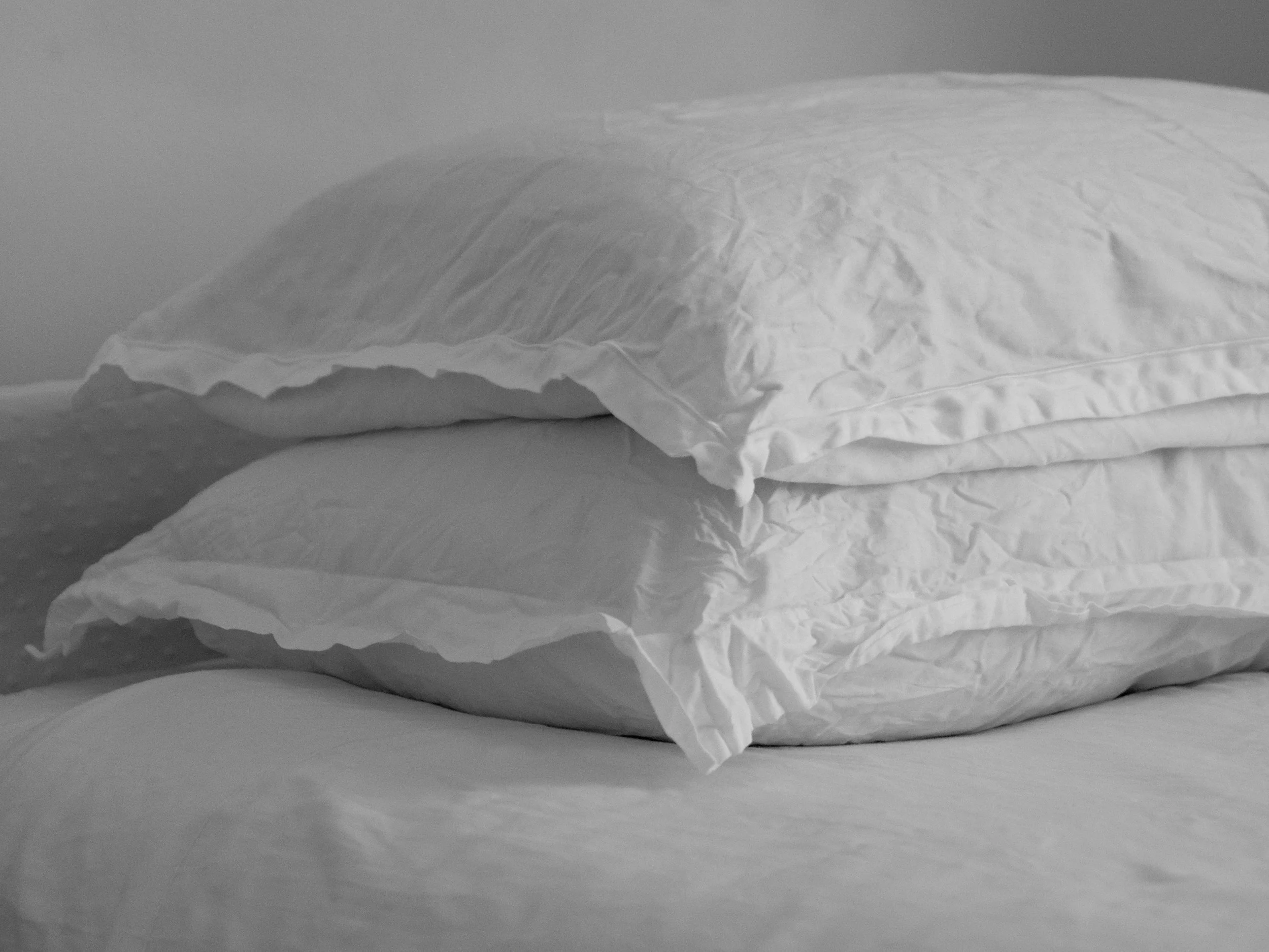
Most pillows should be replaced every one to two years. This is a useful general guideline, but the condition of the pillow matters more than its age alone.
Some inexpensive fiber-filled pillows flatten within a year, while a well-made latex or adjustable pillow may remain supportive for several years. Material quality, nightly use, cleaning, moisture, and body weight all affect how quickly a pillow wears out.
Replace a pillow sooner if it has lost its shape, cannot be cleaned properly, or no longer supports a comfortable sleeping position.
Check Whether the Pillow Still Provides Support
A pillow’s main purpose is to support the head and neck. As its filling compresses or shifts, the pillow may become too low, uneven, or soft.
Common signs of wear include:
Permanent dents or flat areas
Filling that remains lumpy after fluffing
A pillow that folds easily and does not regain its shape
Frequent adjustments during the night
New morning stiffness or discomfort
A need to stack, fold, or bunch the pillow for support
A fold test can help assess some down, feather, and fiber-filled pillows. Fold the pillow in half and release it. A badly worn pillow may remain folded instead of returning to its usual shape. This test is less useful for molded foam and other materials designed to retain a specific form.
Persistent neck pain or sleep problems should not automatically be blamed on the pillow. If discomfort continues after changing pillows or sleeping position, discuss it with an appropriate healthcare professional.
Consider the Pillow Material
Different fillings wear at different rates.
Polyester and down-alternative pillows are affordable and often washable, but their filling can flatten or clump relatively quickly. Many need replacement within one or two years.
Memory foam and polyfoam pillows may last two to three years when properly maintained. Replace them when the foam remains compressed, develops cracks, or no longer returns to its original shape.
Down and feather pillows vary widely in quality. Some lose support within a few years, while a well-constructed pillow may last longer if it can be washed, dried, and fluffed correctly.
Latex is generally more resistant to compression and may remain usable for several years. It should still be replaced if it crumbles, develops a lasting odor, or stops providing consistent support.
Adjustable pillows can sometimes be refreshed by adding or replacing the filling. Check the shell, liner, and closure as well as the fill before deciding whether the entire pillow needs replacement.
These ranges are estimates rather than deadlines. Follow the manufacturer’s care and replacement guidance for the specific product.
Look for Cleanliness Problems
Pillows gradually collect skin oils, sweat, saliva, dust, and allergens. A pillowcase limits direct contact but does not prevent all buildup.
Replace a pillow if it retains an odor after proper cleaning, has stains that cannot be removed, or contains mold or deteriorating material. A wet pillow must be dried completely according to its care instructions. Thick fillings may remain damp internally even when the surface feels dry.
People with dust-mite allergies may need to pay closer attention to bedding care. The Asthma and Allergy Foundation of America recommends using allergen-barrier covers, washing bedding regularly, and replacing pillows approximately every two years as part of dust-mite control.
Replacement alone will not control bedroom allergens. Pillow covers, sheets, blankets, humidity, carpeting, pets, and cleaning practices also affect exposure.
Follow the Care Label
Cleaning can extend a pillow’s useful life, but the wrong method can damage its filling. Some polyester, down, and feather pillows can be machine washed. Solid foam and latex pillows often require spot cleaning or another method specified by the manufacturer.
Use a removable pillow protector beneath the pillowcase and wash it regularly. Wash the pillowcase with the rest of the bedding, and address spills promptly before they reach the filling.
After washing a pillow, make sure the interior is completely dry before returning it to the bed. Remaining moisture can create odors and encourage mold growth.
Replace Based on Condition, Not the Calendar Alone
The one-to-two-year guideline is appropriate for many everyday pillows, particularly lower-cost fiber-filled products. A pillow that is still clean, structurally sound, and supportive does not necessarily need to be discarded because it has reached a particular date.
Inspect pillows every few months and after washing. Note whether the filling recovers, whether support remains even, and whether sleep comfort has changed.
Replace the pillow when cleaning and fluffing no longer restore it. The right time is when it stops performing its basic job, not simply when the calendar says it is old.
