
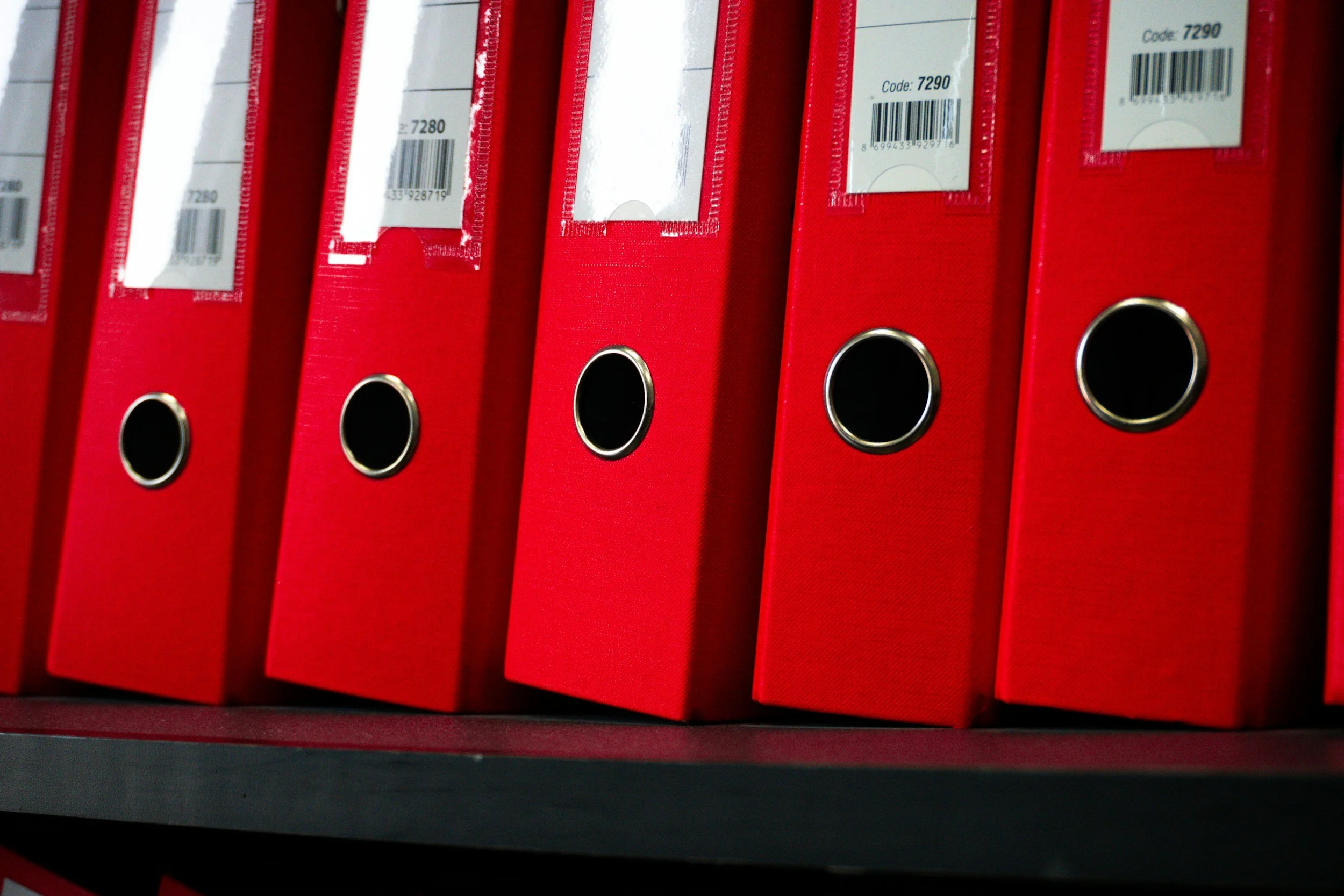
A household emergency contact binder keeps important names, phone numbers, plans, and account details in one place. It can be useful during a power outage, evacuation, medical emergency, severe storm, or any situation in which a phone is unavailable or family members are separated.
The binder should be easy for household members to understand but protected from unnecessary access. Include enough information to help during an emergency without turning it into an unsecured collection of passwords and identity documents.
Choose a Practical Binder
A simple three-ring binder with labeled dividers works well because pages can be replaced as information changes. Use sheet protectors for frequently handled pages, maps, and copies of important documents.
Helpful supplies include:
A sturdy binder
Tabbed dividers
Clear sheet protectors
A zippered pouch
Blank paper
A pen or pencil
Printed local maps
Copies of household emergency plans
Choose a size that can be carried easily. A large binder filled with every household record may be too heavy or difficult to use during an evacuation.
Add a Quick-Reference Page First
The first page should contain the information someone may need immediately.
Include:
Home address
Names of household members
Primary emergency contacts
An out-of-area contact
Local police and fire non-emergency numbers
Poison-control contact information
Utility emergency numbers
Building manager or landlord
Insurance claim numbers
Important medical alerts
Primary meeting locations
Keep this page simple. Detailed records can be placed in later sections.
Everyone in the household should know how to call 911 or the applicable local emergency number and provide the home address.
Create a Household Contact List
Make one page for each person living in the home. Include the person’s:
Full name
Mobile number
Email address
Work or school location
Work, school, or childcare phone number
Preferred communication method
Emergency contact
Relevant accessibility or communication needs
Add contact information for relatives, neighbors, caregivers, and friends who may be able to help.
Ask permission before naming someone as an emergency contact. Confirm that the person understands the role and has the household’s current phone numbers.
Choose an Out-of-Area Contact
FEMA recommends selecting someone outside the local community who can help household members reconnect. During a regional emergency, local phone service may be overloaded while a call or message to another area may still go through.
Choose someone who:
Is likely to answer
Lives outside the immediate area
Can receive updates from several people
Knows the household plan
Can remain calm and organize information
Include at least two ways to reach that person. Every household member should know to send the contact a brief update rather than making repeated calls when networks are congested.
Record Meeting Places
Choose several meeting places for different situations.
These may include:
A location immediately outside the home
A place elsewhere in the neighborhood
A location outside the neighborhood
A regional destination for evacuation
Meeting places should be safe, familiar, and accessible to household members with mobility or other functional needs. Consider whether pets and service animals can enter.
Include the addresses, basic directions, and a small printed map. Do not assume everyone will have access to a navigation app during an outage.
Add School, Childcare, and Workplace Information
Emergencies often happen while family members are apart. Include the emergency procedures and contacts for schools, childcare centers, workplaces, adult day programs, and care communities.
Record:
Main phone number
Emergency notification method
Evacuation or reunification location
Authorized pickup contacts
Supervisor, teacher, or caregiver contact
Alternate transportation arrangements
Expected procedure during a lockdown or evacuation
Confirm who is authorized to pick up a child or dependent adult. Listing someone in the binder does not automatically give that person permission under the organization’s policies.
Create a Medical Information Section
Prepare a concise medical summary for each household member.
Include information that may be useful in an emergency, such as:
Full name and date of birth
Primary healthcare provider
Health insurance contact
Important diagnoses
Allergies
Current medications
Pharmacy
Mobility or communication needs
Medical devices
Emergency medical contact
Advance directive location
Medication information should include the name, dose, and schedule when possible. Update the list whenever a medication changes.
Do not use the binder as a substitute for professional medical records. Keep the summary focused on information that could help emergency responders or temporary caregivers.
Include Insurance Information
Create a section for homeowners, renters, vehicle, flood, health, and other relevant insurance policies.
Record:
Insurance company
Policy type
Policy number
Claims phone number
Agent or representative
Renewal date
General coverage notes
Location of the complete policy
A home inventory can help document belongings after a loss. Keep a list or photographs of major items, serial numbers, purchase dates, and receipts when available.
Because this section contains sensitive information, store the binder securely and limit what is placed on the quick-reference page.
List Utilities and Home Services
Record the emergency and customer-service numbers for:
Electricity
Natural gas
Water
Sewer
Internet
Mobile service
Home security
Heating and cooling service
Plumber
Electrician
Property manager
Homeowners association
Add the locations of the main water shutoff, electrical panel, and other important controls. Include clear instructions only if household members have been shown how to operate them safely.
Do not instruct someone to enter a flooded area, touch wet electrical equipment, or operate a utility control during a gas leak or other unsafe condition.
Add Pet and Service Animal Information
Pets and service animals need their own emergency plan.
Include:
Animal’s name and description
Recent photograph
Veterinarian
Vaccination information
Medication and feeding instructions
Microchip number
Emergency caregiver
Boarding options
Pet-friendly evacuation locations
Carrier, leash, and supply locations
Confirm that the emergency caregiver is willing and able to help. Keep enough food, medication, water, and other supplies in the household emergency kit.
Create an Evacuation Section
The binder should support a decision to leave without delaying evacuation.
Include:
Primary and alternate routes
Local shelter information
Transportation options
Accessible transportation contacts
Pet-friendly destinations
Household responsibilities
A checklist of essential items
Contact instructions after leaving
A plan for anyone needing assistance
Assign responsibilities in advance. One person might gather medications while another handles pets or checks that everyone has left.
Never delay leaving an unsafe area to retrieve the binder. Personal safety comes first.
Add Copies of Selected Documents
Copies of certain records may help after an evacuation or major loss. Possible examples include:
Identification
Insurance cards
Property records
Vehicle registration
Lease or mortgage information
Birth or marriage records
Immigration documents
Advance directives
Pet vaccination records
Consider whether a paper copy is truly necessary before adding it. Redact information that would not be needed during an emergency.
Do not keep original irreplaceable documents in a binder intended for quick daily access. Store originals in an appropriate secure location.
Keep Passwords Out of the Binder
Do not write complete online banking, email, alarm, or account passwords in an easily accessible household binder.
Instead, use a reputable password manager or another secure system. The binder may state where authorized household members can find instructions without revealing the credentials themselves.
Avoid including:
Full Social Security numbers
Debit card personal identification numbers
Safe combinations
Complete payment card details
Unnecessary account passwords
Answers to security questions
The goal is to make the binder useful without creating an identity-theft risk if it is lost or stolen.
Store It Where Household Members Can Reach It
Choose a consistent location that adults and responsible household members know. It should be accessible during an emergency but not left where visitors can browse it.
Possible storage locations include:
A secured home office cabinet
A shelf near emergency supplies
A fire-resistant document container
A locked drawer that authorized adults can open
Do not store the only copy in a basement or garage if those areas are vulnerable to flooding, fire, or extreme temperatures.
Make a Protected Digital Backup
Paper remains useful during power or internet outages, but a digital backup can help if the binder is destroyed or inaccessible.
Store protected copies using:
Encrypted cloud storage
An encrypted external drive
A secure document vault
Another appropriately protected backup system
Use a strong, unique password and multifactor authentication. Confirm that an authorized household member knows how to access the backup if the primary account holder is unavailable.
Avoid emailing an unencrypted collection of identity and financial documents to several people.
Give Everyone a Smaller Contact Card
The complete binder may remain at home, but each household member should carry essential contact details.
A wallet card can include:
Household phone numbers
Out-of-area contact
Neighborhood meeting place
Regional meeting place
School or workplace contact
Important medical alert
Home address
Children should understand whom to contact and where to meet, using instructions appropriate for their age.
Review and Practice the Plan
Review the binder at least once a year and after:
Moving
Changing phone numbers
Changing schools or jobs
Starting or stopping medication
Changing insurance
Adding a household member
Beginning a caregiving arrangement
Changing an emergency contact
Getting a new pet
Test the phone numbers and replace outdated pages rather than writing over old information.
Practice how the household will communicate, evacuate, and meet. A binder is most useful when everyone already understands the plan and can find important information quickly.
This article provides general educational information and is not individualized emergency-management, medical, legal, insurance, or financial advice.
