
How to Create a Weekly Meal Planning System That Saves Time and Reduces Food Waste
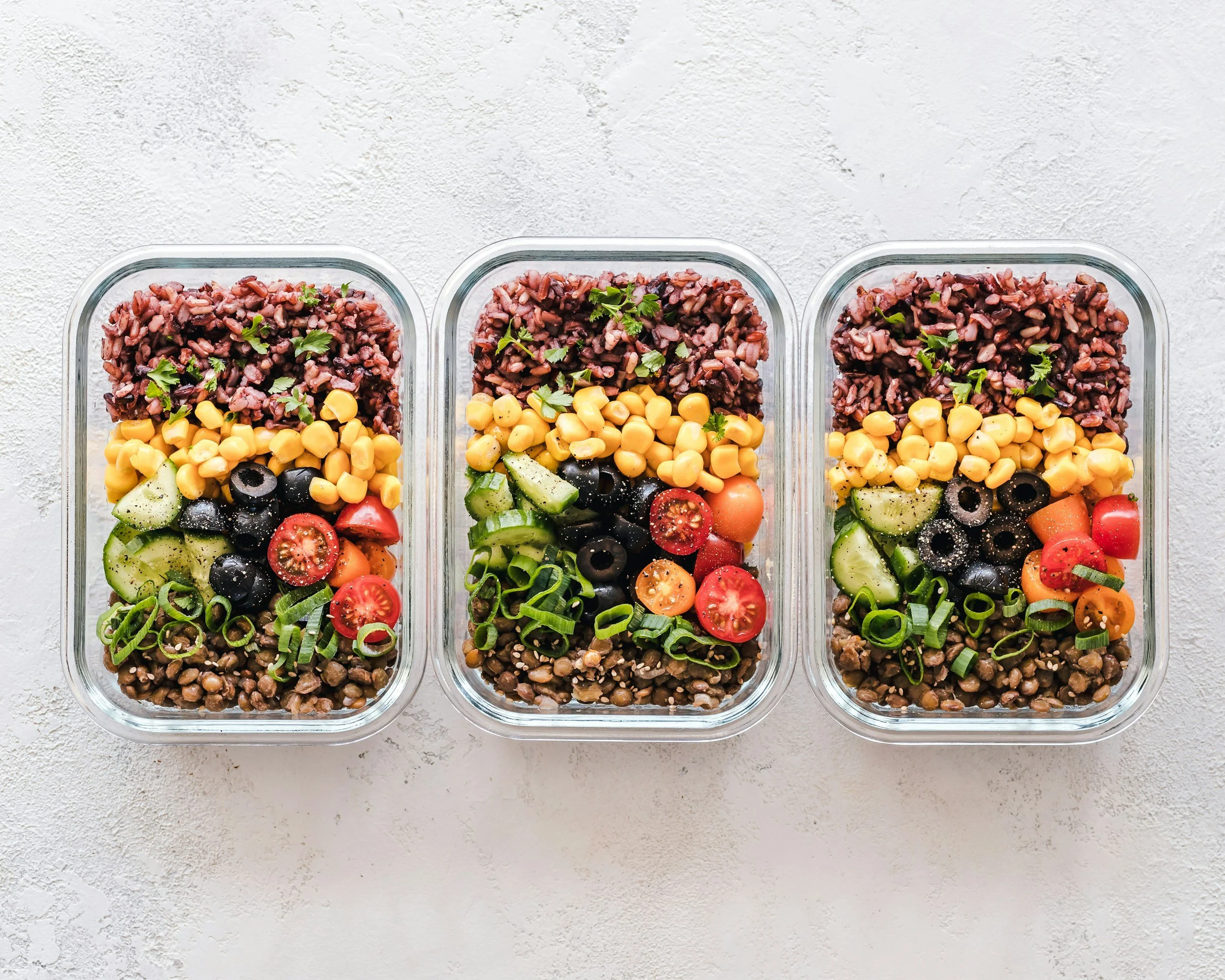
Meal planning does not need to mean assigning a complicated recipe to every night of the week. A useful system simply helps you decide what to buy, what needs to be used first, and what you can realistically prepare.
The best plan is flexible enough to survive a late meeting, an unexpected invitation, or a night when nobody wants to cook. Here is how to create one that can be repeated each week.
Start With Your Actual Schedule
Before choosing meals, look at the coming week. Mark the nights when someone will be working late, attending an event, eating out, or unlikely to have time for a full dinner.
Then count how many meals you genuinely need to prepare. Planning seven dinners when the household will only be home for five often leads to unused ingredients.
Consider breakfast and lunch as well. If leftovers normally become lunch, account for that before buying separate lunch ingredients.
Check What You Already Have
Spend a few minutes looking through the refrigerator, freezer, and pantry. Pay particular attention to:
Produce beginning to soften
Open packages that should be finished
Dairy products nearing their dates
Frozen meat or prepared meals
Grains, pasta, canned goods, and sauces
Leftovers that are still safe to eat
Keep a short “use first” list on the refrigerator or in a shared phone note. Build the first meals of the week around those foods.
The Environmental Protection Agency specifically recommends checking existing supplies before shopping and planning meals around food that needs to be used. This reduces duplicate purchases and makes it more likely that perishable food will be eaten.
Choose Fewer Meals Than You Think You Need
Instead of selecting seven separate dinners, many households can begin with three or four planned meals. Fill the remaining nights with leftovers, a freezer meal, a quick pantry dinner, or a flexible “use-it-up” meal.
A basic week might include:
One meal that uses the most perishable ingredients
One large meal that creates planned leftovers
One quick dinner for the busiest night
One flexible meal made from pantry or freezer staples
One night for leftovers
One unplanned night for dining out or changing schedules
Leaving open space prevents the plan from collapsing when the week changes.
Build Meals Around Shared Ingredients
Choose recipes that use some of the same ingredients without feeling identical. Roasted vegetables might be served with chicken one night and added to grain bowls the next day. A package of tortillas could be used for tacos, breakfast wraps, and freezer-friendly quesadillas.
This approach is especially helpful with ingredients that are difficult to buy in small quantities. Before purchasing a large bag of spinach, bunch of herbs, or container of yogurt, decide how it will appear in at least two meals.
Avoid buying an ingredient for a single recipe unless you know how the remainder will be used.
Create a Small List of Reliable Meals
Keep a collection of 10 to 15 meals that the household already likes and that fit different levels of time and effort. Organize them into simple groups, such as:
Meals ready in 20 minutes
Slow-cooker or sheet-pan meals
Pantry-based dinners
Meals that produce useful leftovers
Freezer-friendly meals
No-cook options
This list removes the need to search for entirely new recipes every week. Trying one new meal occasionally can add variety without turning meal planning into a research project.
Make a Precise Shopping List
Once the meals are selected, list the ingredients and compare them with what is already at home. Include quantities when practical. “Two bell peppers” is more useful than simply writing “vegetables.”
Organize the list by store section to reduce backtracking:
Produce
Meat or plant-based proteins
Dairy and refrigerated items
Pantry goods
Frozen foods
Household supplies
Be cautious with bulk discounts. A larger package is only less expensive if the household uses it before its quality declines.
Prep Ingredients, Not Necessarily Entire Meals
Meal preparation does not have to consume an entire afternoon. A short session may be enough to:
Wash and chop sturdy vegetables
Cook a grain
Prepare a sauce or dressing
Portion snacks
Marinate a protein
Move a frozen ingredient into the refrigerator to thaw
Label leftovers with the preparation date
Focus on the tasks that remove the biggest obstacle during the week. If chopping vegetables makes cooking feel difficult after work, do that in advance. If mornings are the problem, prepare breakfast portions instead.
Plan When Leftovers Will Be Eaten
Leftovers should have a specific purpose. Assign them to lunch the next day, schedule a leftover dinner, or freeze portions promptly.
USDA guidance states that most cooked leftovers can be kept in the refrigerator for three to four days. Refrigerate perishable food within two hours, use shallow covered containers for faster cooling, and freeze portions that will not be eaten within the recommended period.
A piece of masking tape or reusable label with the food name and date can prevent containers from being forgotten.
Keep an Emergency Meal Available
Maintain supplies for at least one meal that requires little preparation and uses ingredients with a longer storage life. Possibilities include:
Pasta with jarred sauce and frozen vegetables
Canned beans, rice, and salsa
Soup and frozen bread
Eggs with toast
Frozen dumplings and vegetables
A frozen portion of a previously cooked meal
An emergency meal makes it easier to avoid an unnecessary grocery trip or takeout order when the original plan no longer works.
Review the Week Before Planning Again
Before creating the next plan, take two minutes to notice what happened.
Ask:
Which meals were actually prepared?
Which ingredients went unused?
Were the portions too large or too small?
Did leftovers get eaten?
Which night needed an easier option?
What should be frozen, removed, or purchased in a smaller amount next time?
Meal planning becomes more effective through adjustment. If the household repeatedly skips a certain meal or wastes a particular ingredient, change the plan instead of buying it again out of habit.
Use a Simple Weekly Routine
A sustainable system can be completed in about 20 minutes:
Review the upcoming schedule.
Check the refrigerator, freezer, and pantry.
Write down foods that should be used first.
Select three or four main meals.
Schedule leftovers and one flexible night.
Make a grocery list with quantities.
Prep only the ingredients that will save meaningful time.
The goal is not to predict the week perfectly. It is to make the next meal easier while purchasing food with a clear purpose. A short, repeatable planning session can reduce daily decision-making and help more of the food brought home end up on the table rather than in the trash.
