
Digital Entertainment and the Future of Leisure
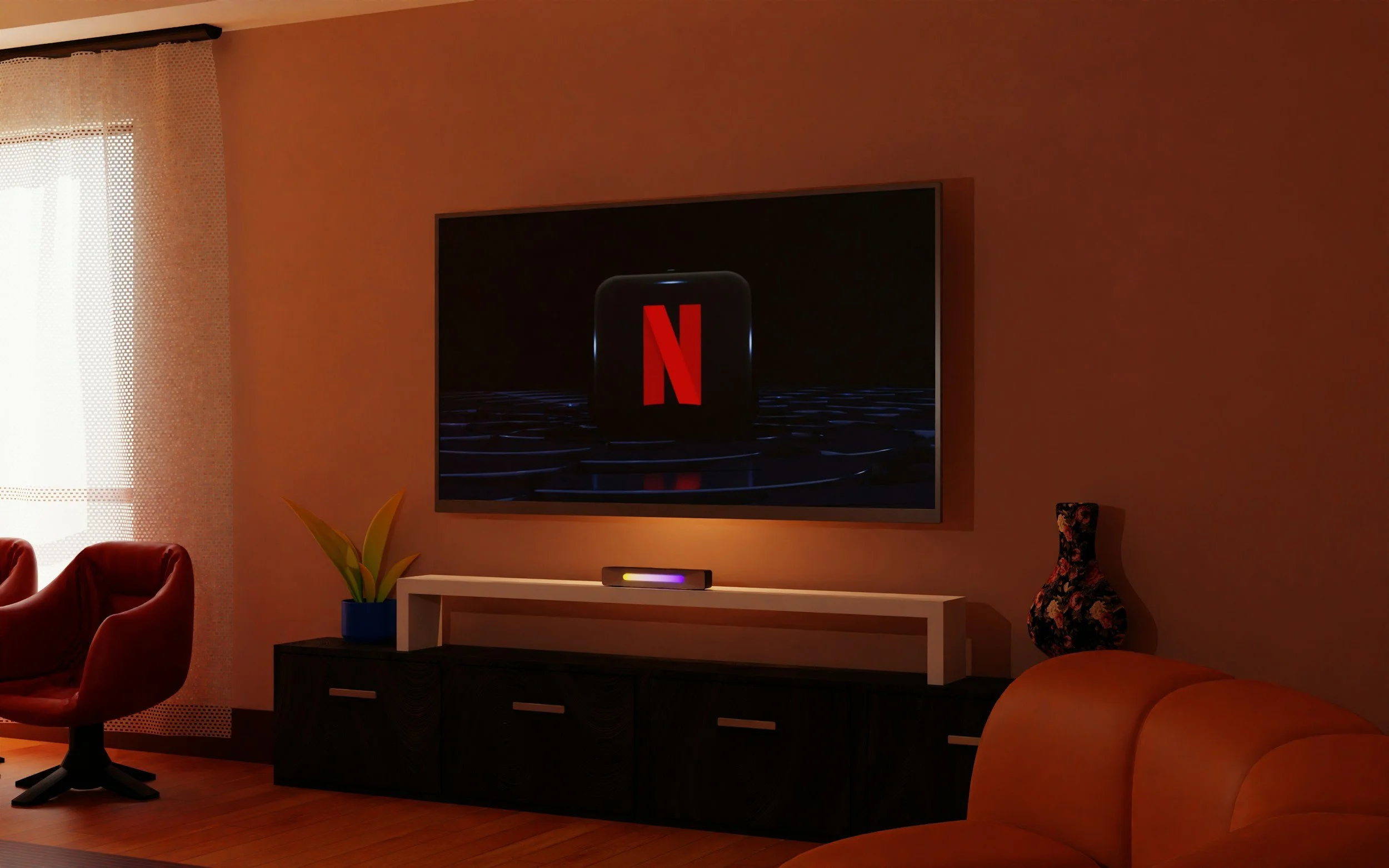
Leisure time has always reflected the technologies of the moment. Radio once transformed entertainment in the home. Television later became a central part of daily life. Today, digital platforms are reshaping how people spend their free time.
Entertainment has become increasingly personalized and interactive. Instead of passively consuming content, people now engage with platforms that adapt to their interests and preferences.
These changes are influencing not only what people watch or play, but how they experience leisure itself.
The Rise of On-Demand Entertainment
One of the biggest shifts in entertainment has been the move toward on-demand access. Streaming services, digital platforms, and online communities allow people to choose content whenever they want.
This flexibility has changed viewing habits. Instead of waiting for scheduled programming, audiences now expect immediate access to a wide range of options.
The result is a more individualized entertainment experience. Each person’s digital environment begins to reflect their own interests and preferences.
Interactive Experiences
Modern entertainment is also becoming more interactive. Digital platforms often invite users to participate rather than simply observe.
Online communities, collaborative platforms, and user generated content create opportunities for engagement that traditional media never offered.
People can comment, share, create, and interact with content in ways that were once impossible. This interactivity strengthens the connection between audiences and the platforms they use.
What Leisure Looks Like Next
The future of entertainment will likely continue blending technology and creativity. Advances in virtual experiences, interactive media, and personalized content may further expand what leisure looks like.
Despite these innovations, the purpose of entertainment remains the same. People seek relaxation, enjoyment, and connection during their free time.
Technology simply offers new ways to achieve those experiences.
