
Does a 10-Minute Walk After Meals Improve Blood Sugar?
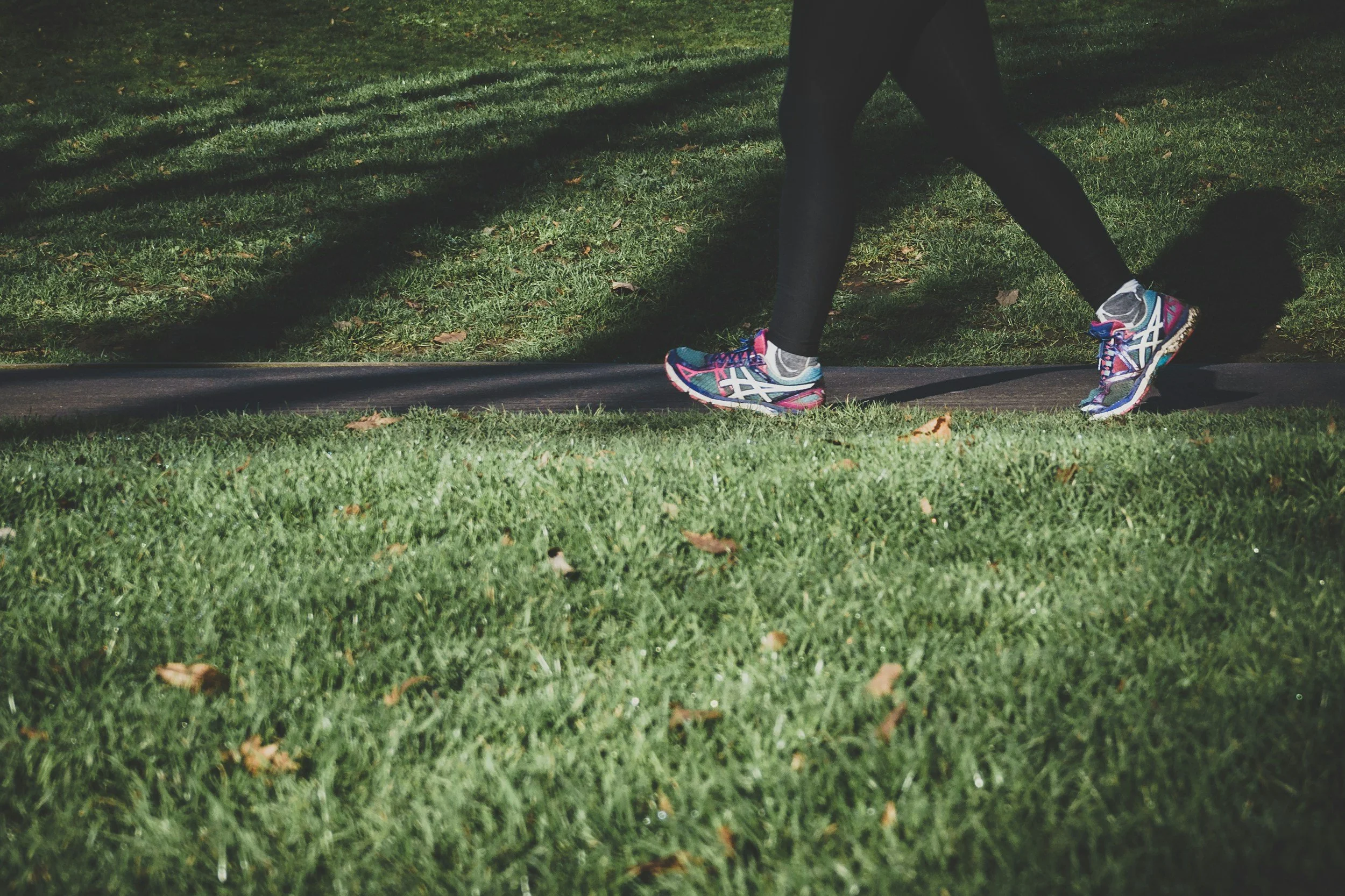
A 10-minute walk after a meal can reduce the short-term rise in blood sugar, particularly when the walk begins soon after eating. Research supports post-meal walking as a simple way to add activity and improve glucose management, although the size of the effect varies.
Walking does not replace diabetes medication, an appropriate eating plan, or a broader exercise routine. It is best treated as one practical part of those measures.
Why Walking After a Meal Can Help
Carbohydrates are broken down into glucose during digestion, causing blood sugar to rise. Working muscles use glucose for energy, and physical activity can also improve the body’s response to insulin.
This helps explain why movement after eating may produce a smaller glucose rise than remaining seated. Timing matters because the activity takes place while glucose from the meal is entering the bloodstream.
A 2023 systematic review of eight randomized crossover trials found that exercise after eating reduced post-meal glucose more effectively than exercising before the meal or remaining inactive. The review also found that the benefit became smaller as the delay between eating and exercise increased.
What the 10-Minute Research Shows
One randomized crossover study included 41 adults with type 2 diabetes. Participants followed two different routines: one 30-minute walk at an unspecified time each day, or a 10-minute walk after each of three main meals.
Post-meal glucose was lower during the three-walk routine, even though both plans prescribed the same total amount of walking. The largest difference occurred after the evening meal, when participants ate more carbohydrates and were usually less active.
This does not prove that every person needs exactly 10 minutes. The study was small and lasted for limited periods. Other research has tested different durations and types of activity. The broader finding is that short bouts of movement performed near mealtime can have an immediate effect on glucose levels.
When and How to Walk
Research suggests beginning as soon as reasonably practical after eating rather than waiting several hours. The walk does not need to be strenuous. A comfortable or moderately brisk pace is appropriate for many people.
A simple routine might include:
Walking around the neighborhood after dinner
Walking through a building after lunch
Using a treadmill at an easy pace
Completing light household movement when outdoor walking is impractical
Start with the duration and pace that feel manageable. Someone who has been inactive may begin with five minutes and increase gradually.
Walking after the meal that typically produces the largest glucose rise may be easier than trying to walk after every meal. Consistency is more useful than creating a routine that cannot be maintained.
The Benefit Is Mostly Immediate
A short walk can reduce the glucose response to the meal that came before it. That does not necessarily mean it will produce a major long-term change by itself.
Long-term blood sugar management depends on total physical activity, eating patterns, medication when prescribed, sleep, stress, and other health factors. The Centers for Disease Control and Prevention recommends at least 150 minutes of moderate-intensity physical activity per week for most adults with diabetes.
Three 10-minute walks each day can contribute toward that total. They may also interrupt long periods of sitting, which the American Diabetes Association recommends doing at least every 30 minutes for people with diabetes.
Know When to Take Precautions
Most people can begin with gentle walking, but diabetes can change how the body responds to exercise. People who use insulin or medications that can cause low blood sugar may need to monitor glucose around physical activity and discuss medication, meal, or snack adjustments with their healthcare team.
Extra guidance may also be necessary for people who have:
Frequent low blood sugar
Foot ulcers or reduced sensation
Balance problems
Heart or circulation conditions
Advanced eye or kidney complications
Pain, dizziness, or unusual shortness of breath with activity
Carry fast-acting carbohydrate if advised by a clinician, wear suitable footwear, and stop if concerning symptoms develop.
Use It as a Practical Daily Habit
A 10-minute walk after meals is brief, free, and supported by evidence as a way to reduce short-term post-meal glucose. The effect may be especially useful after a larger meal or at a time of day that would otherwise be sedentary.
The routine does not have to be perfect. Begin with one meal, walk at a comfortable pace, and build from there. People managing diabetes should use their glucose readings and medical guidance to determine how post-meal activity fits into their individual treatment plan.
