
How Much Fiber Do Adults Need Each Day? Foods, Targets, and Easy Ways to Get More
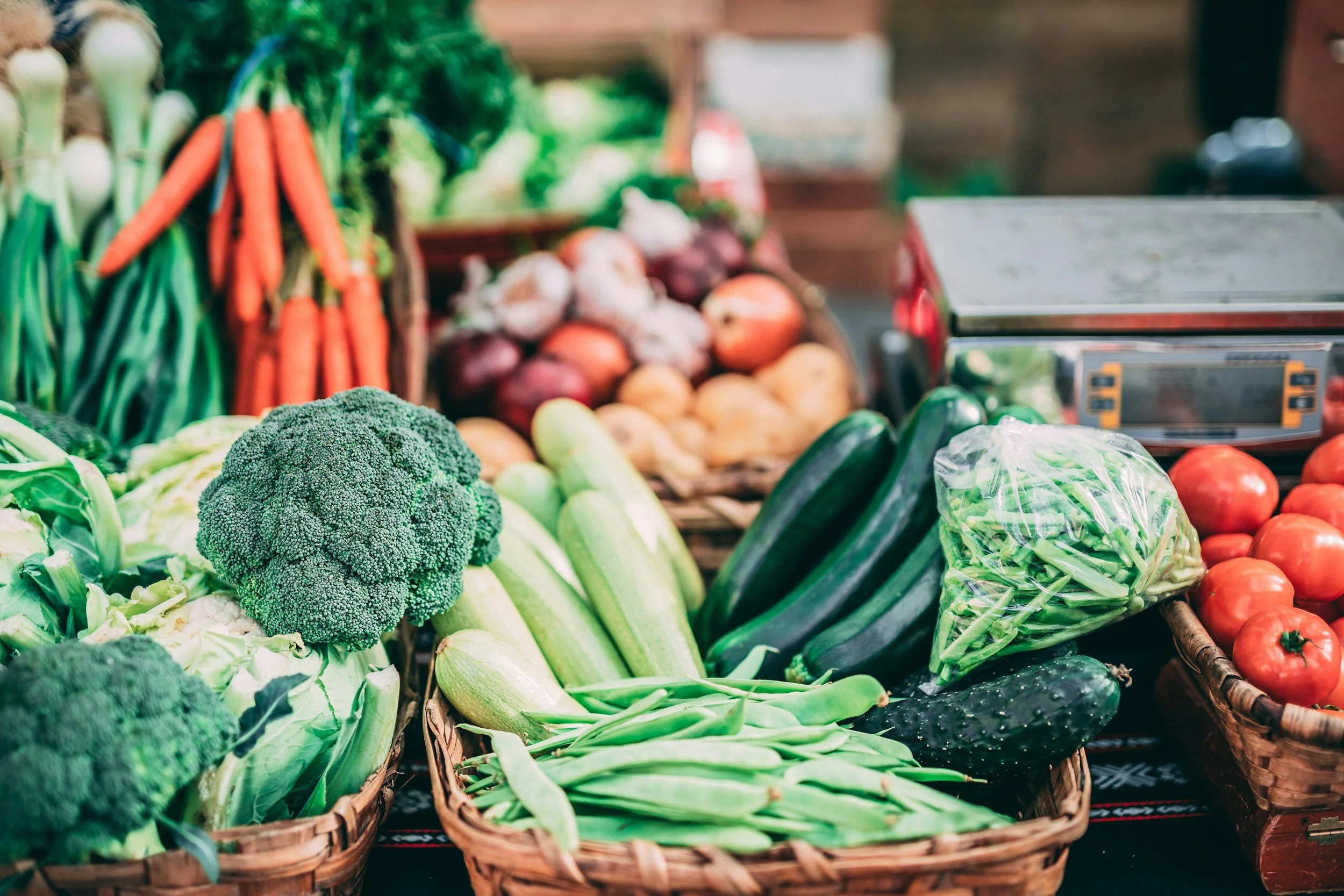
Fiber supports normal digestion, helps with fullness, and can contribute to healthy cholesterol and blood sugar levels. Yet it is easy to fall short when meals rely heavily on refined grains, meat, cheese, and highly processed foods.
Most adults should aim for approximately 22 to 34 grams of fiber each day. The exact target varies with age, sex, calorie needs, and health circumstances.
Daily Fiber Targets for Adults
Federal nutrition guidance has used a goal of about 14 grams of fiber for every 1,000 calories consumed. The 2020–2025 Dietary Guidelines translated that standard into the following daily amounts:
AgeWomenMen19–3028 grams34 grams31–5025 grams31 grams51 and older22 grams28 grams
The Nutrition Facts label uses 28 grams as the Daily Value for a 2,000-calorie diet. This provides a convenient general benchmark when comparing packaged foods, although an individual target may be somewhat higher or lower.
On labels, 5 percent of the Daily Value or less per serving is considered low, while 20 percent or more is considered high.
What Counts as Fiber?
Dietary fiber is a type of carbohydrate found mainly in plant foods. The body does not fully digest it in the same way it digests sugars and starches.
Fiber is commonly described as soluble or insoluble:
Soluble fiber dissolves in water and forms a gel-like material. It is found in foods such as oats, barley, beans, apples, and citrus fruit.
Insoluble fiber adds bulk to stool and helps food move through the digestive system. Sources include wheat bran, whole grains, vegetables, nuts, and many fruit skins.
Many foods contain both types. Most people do not need to track them separately. Eating a variety of plant foods is a simpler approach.
High-Fiber Foods to Use Regularly
Fiber amounts vary by variety, serving size, and preparation. Approximate examples include:
1 cup of raspberries: 8 grams
½ cup of cooked lentils: 8 grams
½ cup of cooked black beans: 7 to 8 grams
1 medium pear with its skin: 5 to 6 grams
1 medium apple with its skin: about 4 grams
1 cup of cooked oatmeal: about 4 grams
1 ounce of almonds: 3 to 4 grams
1 slice of whole-wheat bread: approximately 2 to 3 grams
Check the Nutrition Facts label for packaged foods. Two products described as whole grain can contain very different amounts of fiber.
Add Fiber to Breakfast
Breakfast is an easy place to make progress. Replace a low-fiber cereal or pastry with oatmeal, a high-fiber cereal, whole-grain toast, or fruit.
Simple options include:
Oatmeal topped with berries and chia seeds
Whole-grain toast with avocado
A pear or apple served with yogurt
A smoothie containing whole fruit, vegetables, and seeds
Juice generally contains less fiber than whole fruit because much of the pulp has been removed.
Use Beans and Lentils More Often
Beans, lentils, chickpeas, and split peas provide both fiber and protein. They can be added to soups, salads, tacos, pasta sauces, grain bowls, or casseroles.
Start with a modest portion if legumes are not currently part of your diet. Rinsing canned beans can reduce their sodium content and some people find that gradually increasing portions improves tolerance.
Replace Refined Grains Strategically
You do not need to replace every grain at once. Begin with the meals where the change is easiest:
Choose whole-wheat bread instead of white bread.
Try brown rice, bulgur, barley, or quinoa in grain bowls.
Select whole-grain pasta for some meals.
Compare cereal labels and choose options with more fiber and less added sugar.
Look for a whole grain near the beginning of the ingredient list. Color alone is not a reliable sign that bread or crackers are whole grain.
Keep the Edible Skin When Appropriate
The skins of apples, pears, potatoes, and some other produce contribute fiber. Wash produce under running water and leave the skin on when it is edible and appropriate for the recipe.
Fresh, frozen, canned, and dried produce can all contribute fiber. When choosing canned fruit, compare added sugars. For canned vegetables and beans, compare sodium.
Use Snacks to Close the Gap
A snack can add several grams without requiring another cooked meal. Options include fruit, vegetables with hummus, roasted chickpeas, nuts, seeds, or whole-grain crackers.
A piece of fruit provides more fiber than a fiber-free snack, but variety matters. Rotate among berries, pears, apples, oranges, and other fruits rather than depending on one food.
Increase Fiber Gradually
Moving from a low-fiber diet to a very high-fiber diet overnight can cause gas, bloating, or cramping. The National Institute of Diabetes and Digestive and Kidney Diseases recommends adding fiber a little at a time so the body can adjust.
Try adding one fiber-rich food every few days. For example, add fruit to breakfast first, then replace a refined grain, and later introduce an additional serving of beans or vegetables.
Drinking enough water and other fluids helps fiber work properly. Fluid needs vary with body size, health, activity, climate, and medications, so there is no single amount appropriate for everyone.
A Simple Day With About 30 Grams
A day does not need to include special “fiber” products to reach the general target:
Breakfast: Oatmeal with raspberries and one tablespoon of chia seeds
Lunch: A grain bowl with ½ cup of black beans and vegetables
Snack: An apple with its skin
Dinner: A meal containing another serving of vegetables
Actual totals will depend on portions and products. Checking labels for a few days can reveal where the largest gaps occur.
Are Fiber Supplements Necessary?
Food is usually the best starting point because high-fiber foods also provide vitamins, minerals, and other beneficial compounds. A supplement may be useful in some circumstances, but it does not replace a varied diet.
Different supplements contain different types of fiber and can affect digestion differently. Some may also interfere with the absorption of medications if taken at the same time.
Talk with a healthcare professional before using a fiber supplement if you have persistent digestive symptoms, difficulty swallowing, a history of intestinal narrowing or blockage, or take medications that could interact with it.
The easiest way to increase fiber is not to redesign every meal. Add one high-fiber food at breakfast, include beans or whole grains in another meal, and choose fruit or nuts for a snack. Small changes spread across the day can make the target much easier to reach.
This article provides general nutrition information and is not a substitute for individualized medical advice.
