
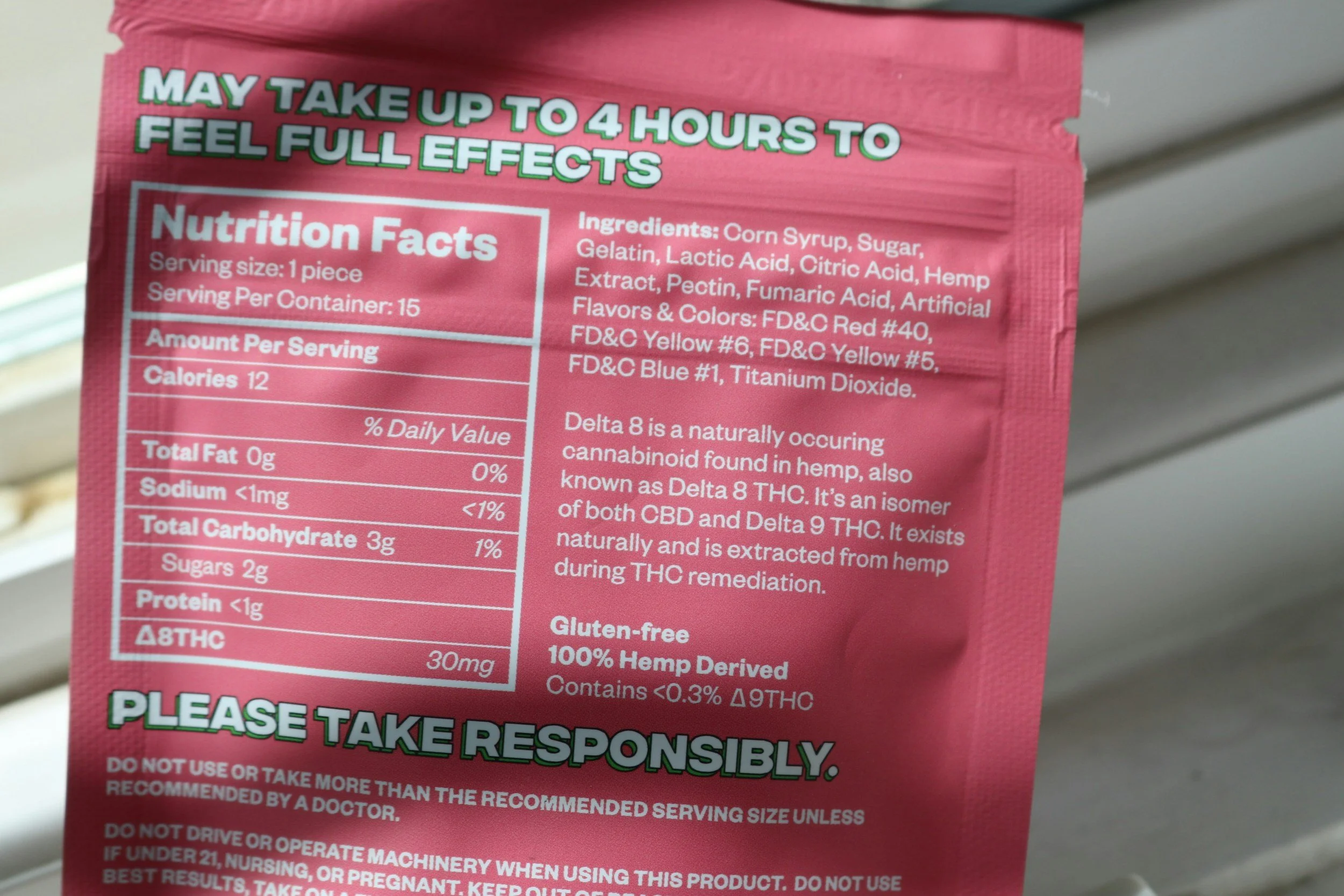
A Nutrition Facts label contains useful information, but it is easy to misread when the serving size is overlooked. A package that appears low in sugar or sodium may contain two or three servings, making the total much higher if the entire package is eaten.
You do not need to study every number. Start with the serving size, check the nutrients most relevant to your needs, and use percent Daily Value to compare similar products.
Start With the Serving Size
The serving size appears near the top of the label. It tells you the amount of food used to calculate every number below it.
A serving might be listed as:
One cup
Two-thirds of a cup
Three pieces
One container
28 grams
A combination of a household measure and metric weight
The FDA explains that serving sizes are based on amounts people typically consume. They are not recommendations for how much a person should eat.
Check the Servings per Container
A package may look like one portion while containing more than one serving.
If a bottle contains two servings and you drink the entire bottle, you consume twice the listed calories, sodium, added sugar, and other nutrients.
For example, if one serving contains:
180 calories
400 milligrams of sodium
8 grams of added sugar
Eating two servings would provide:
360 calories
800 milligrams of sodium
16 grams of added sugar
Some packages use a dual-column label that shows information per serving and for the entire container. When that format is not provided, calculate based on the amount you expect to eat.
Use Serving Size When Comparing Products
Compare similar foods using similar amounts. One soup may list nutrition for one cup, while another uses the entire container. A direct comparison without adjusting the serving sizes can be misleading.
The weight in grams can be particularly useful when two products use different descriptions. It provides a more consistent comparison than terms such as “one piece,” since product sizes can differ.
Understand Calories in Context
Calories measure the energy provided by a serving. The label uses 2,000 calories per day as a general reference, but individual needs vary with age, body size, activity, health, and other factors.
A calorie number does not show the overall quality of a food. Two products with similar calories may contain very different amounts of fiber, protein, sodium, added sugar, and saturated fat.
Use calories together with the rest of the label rather than as the only deciding factor.
Learn the Percent Daily Value Shortcut
Percent Daily Value, written as %DV, shows how much one serving contributes to the Daily Value for a particular nutrient.
The FDA provides a simple guide:
5% DV or less per serving is considered low.
20% DV or more per serving is considered high.
For nutrients many people try to limit, such as sodium, added sugars, and saturated fat, a lower percentage may be preferable.
For nutrients people may need more of, such as fiber, vitamin D, calcium, iron, and potassium, a higher percentage can be helpful.
Percent Daily Value is a general reference, not a personalized target. Individual needs may differ.
Know the Difference Between Total Sugar and Added Sugar
The label separates Total Sugars from Added Sugars.
Total Sugars include:
Sugar naturally present in fruit
Lactose naturally present in milk
Sugar added during manufacturing
Syrups, honey, and other added sweeteners
Added Sugars are sugars added during processing or packaging. They can include table sugar, syrups, honey, dextrose, and concentrated fruit or vegetable juices used as sweeteners.
On the label, added sugar often appears as:
Includes 10g Added Sugars — 20% DV
The 10 grams of added sugar are already included in the Total Sugars number. Do not add the two numbers together.
What Is the Daily Value for Added Sugar?
The Daily Value for added sugars is 50 grams per day based on a 2,000-calorie diet. This reflects guidance to keep added sugars below 10% of total daily calories.
That does not mean everyone should aim to consume exactly 50 grams. The Daily Value provides a reference for comparing foods and understanding how quickly several products can add up.
A food containing 5% DV of added sugar is relatively low per serving. One containing 20% DV or more is high.
Where Added Sugar Can Hide
Added sugar is not limited to soda, candy, and desserts. It may also appear in:
Flavored yogurt
Breakfast cereal
Granola bars
Bottled sauces
Salad dressing
Bread
Plant-based drinks
Sweetened coffee
Sports and energy drinks
Instant oatmeal
The ingredient list may use names such as cane sugar, corn syrup, malt syrup, dextrose, sucrose, honey, molasses, or fruit juice concentrate.
The Nutrition Facts label is usually faster than searching the ingredient list for every type of sweetener because it provides the combined added-sugar amount.
Find the Sodium Line
Sodium is listed in milligrams and as a percent Daily Value.
The current Daily Value for sodium is 2,300 milligrams. A product with 460 milligrams of sodium per serving provides 20% of that Daily Value and is considered high under the FDA’s general guide.
People sometimes focus only on whether a food tastes salty. Sodium can be high even when saltiness is not obvious.
Common sources include:
Canned soups
Frozen meals
Deli meat
Pizza
Packaged noodles
Sauces and condiments
Cheese
Bread
Savory snacks
Restaurant food
A single item does not need to be sodium-free to fit into an eating pattern. The label helps show how much of the daily reference amount one serving uses.
Compare Similar Products for Sodium
Sodium levels can differ substantially between products that look almost identical.
When comparing two cans of soup, frozen meals, sauces, or breads:
Confirm that the serving sizes are similar.
Check milligrams of sodium.
Compare percent Daily Value.
Consider how much you will actually eat.
Look at the rest of the meal.
A lower-sodium sauce may make a larger difference than choosing a low-sodium food that is eaten only occasionally.
Review Saturated Fat and Fiber
Even when the main concern is sugar or sodium, two additional lines can provide useful context.
Saturated fat is a nutrient the FDA recommends limiting. Use the 5% and 20% guide to compare similar foods.
Dietary fiber is a nutrient many people need more of. A higher-fiber choice may be more filling and can contribute to digestive and heart health.
The best comparison depends on the food. A naturally low-fiber product, such as milk, should not be judged by the same expectations as cereal or whole-grain bread.
Check the Ingredient List
Ingredients are listed separately from the Nutrition Facts panel in descending order by weight. The ingredients present in the largest amounts appear first.
The list can help identify:
The main type of grain
Sources of added sugar
Oils and fats
Allergens
Artificial sweeteners
Ingredients needed for dietary, religious, or medical reasons
A long ingredient list does not automatically make a food unhealthy, and a short list does not guarantee that it meets a person’s nutrition needs.
People with food allergies should review the allergen statement and full ingredient list every time, since product formulas can change.
Be Careful With Front-of-Package Claims
Terms such as “natural,” “multigrain,” “light,” or “made with real fruit” do not provide the same detail as the Nutrition Facts label.
Turn the package around and verify:
The serving size
Added sugar
Sodium
Saturated fat
Fiber
The first few ingredients
A product can be low in one nutrient and high in another. “Reduced sodium” also means the product contains less sodium than a reference product, not necessarily that it is low in sodium.
Use a Quick Three-Step Check
When time is limited, use this routine:
Check the serving size. Decide how many servings you will actually eat.
Check the key nutrients. Look at added sugar, sodium, saturated fat, and fiber.
Use %DV. Remember that 5% or less is low and 20% or more is high.
This is often enough to compare two similar packaged foods without analyzing every number.
Keep Individual Health Needs in Mind
The Nutrition Facts label provides general information. People with kidney disease, diabetes, high blood pressure, food allergies, eating disorders, or other health concerns may need different targets.
A physician or registered dietitian can provide guidance based on medical history, medications, laboratory results, and overall eating habits.
The purpose of the label is not to make every food pass a perfect test. It is to show what one serving contains so shoppers can make informed comparisons.
