
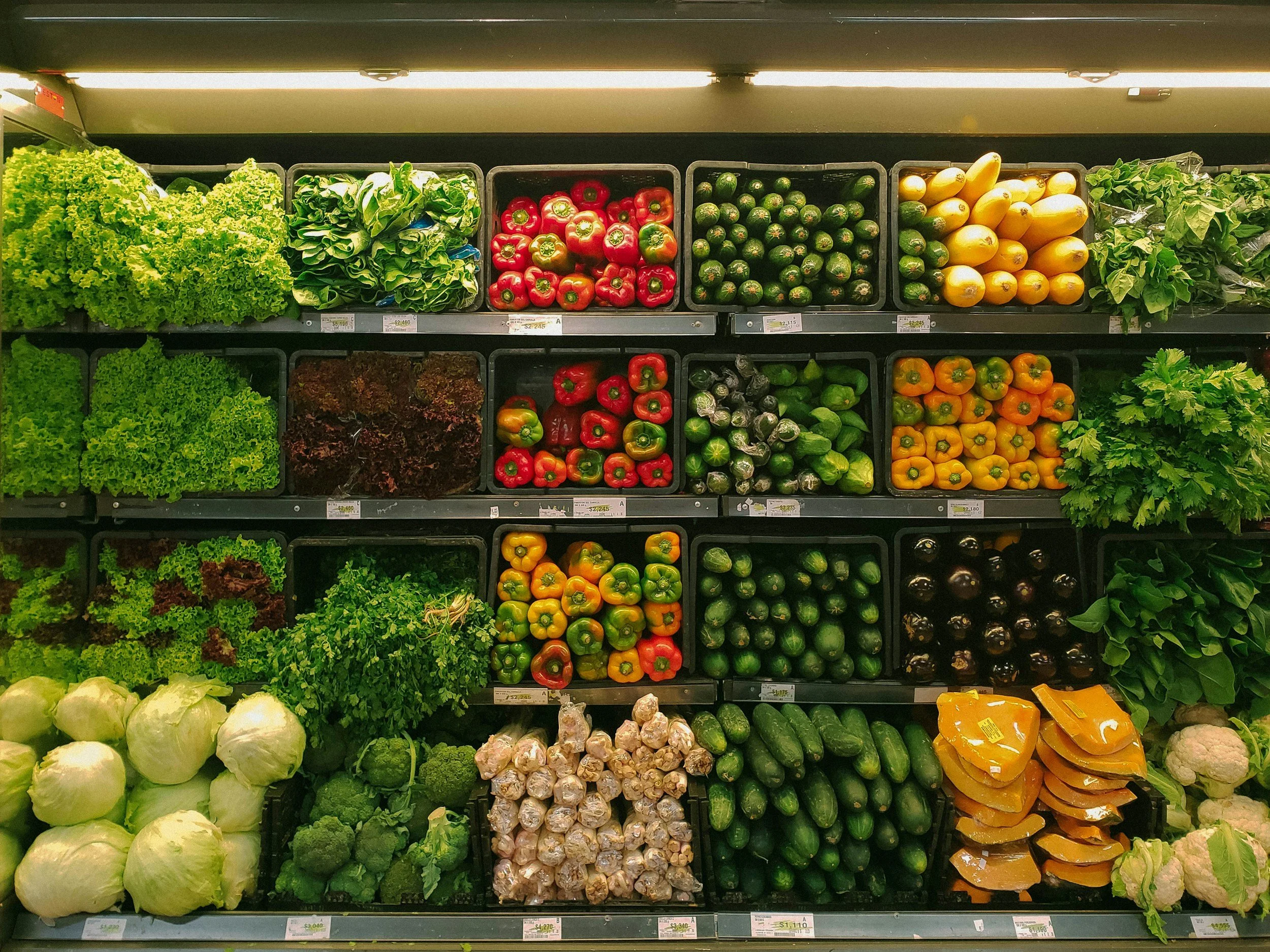
A grocery list can do more than prevent forgotten ingredients. When it is based on what is already in the kitchen and how many meals will actually be eaten at home, it can reduce spoiled produce, unused leftovers, and duplicate purchases.
The goal is not to predict every meal perfectly. A useful list provides enough structure to prevent overbuying while leaving room for schedule changes.
Shop Your Kitchen First
Before planning meals, check the refrigerator, freezer, and pantry. Look behind larger containers and open produce drawers rather than relying on memory.
Pay particular attention to:
Produce that is beginning to soften
Open packages
Cooked leftovers
Dairy products approaching their dates
Meat or bread stored in the freezer
Duplicate cans, sauces, and grains
Ingredients purchased for an earlier recipe
Create a short “use first” list. These foods should shape the week’s meals before new ingredients are added.
For example, spinach that needs to be used soon could go into an omelet, pasta, soup, or grain bowl. Planning around it is more effective than buying another vegetable and hoping both get eaten.
Count the Meals You Will Actually Eat at Home
Do not automatically plan seven breakfasts, seven lunches, and seven dinners.
Check the calendar for:
Work lunches
Restaurant plans
School or community events
Travel
Late workdays
Nights when leftovers are likely
Meals provided by someone else
The EPA recommends making a grocery list based on the number of meals the household expects to eat at home. This reduces the common problem of buying for an ideal week instead of the week that is actually happening.
Plan Fewer Dinners Than There Are Nights
Not every evening needs a different recipe. Leftovers, schedule changes, and unplanned meals usually fill part of the week.
A household planning for seven nights might choose:
Four planned dinners
One leftover night
One quick meal from pantry or freezer staples
One flexible night for dining out or a schedule change
This creates room to use extra food without turning leftovers into an additional problem.
Choose Meals With Overlapping Ingredients
Select recipes that use some of the same perishable foods in different ways.
A package of tortillas might be used for tacos, breakfast wraps, and quesadillas. Roasted vegetables could become a side dish one night and a grain bowl the next day. Herbs might flavor a dinner, salad dressing, and soup.
Ingredient overlap works best when the meals still feel different. Buying five unrelated sets of vegetables, sauces, and garnishes for five recipes makes waste more likely.
Write Down Exact Quantities
“Buy carrots” does not say how many are needed. A more useful entry is “four carrots for soup and lunches.”
Add a quantity or purpose beside perishable foods:
Two apples for work snacks
One small bag of greens for three lunches
Four potatoes for two dinners
One pint of berries for breakfasts
Six tortillas for tacos and wraps
The EPA recommends including quantities on a shopping list and connecting them to the meals being planned.
For packaged foods, compare the amount needed with the package size. Decide in advance how any extra will be used or stored.
Check Portions and Leftovers
Estimate how many servings each recipe will make and how many people will eat it.
If a recipe makes six servings for a two-person household, decide whether the extra four servings will become lunches, be frozen, or make the recipe too large for the week.
Scale recipes down when practical. When a recipe cannot be reduced easily, schedule the leftovers before adding another meal.
Labeling leftovers with the preparation date can make them easier to use in time.
Build the List Around a “Use First” Section
Place the foods already at home at the top of the list, even though they do not need to be purchased.
For example:
Use first: spinach, half an onion, cooked rice, yogurt
Seeing this reminder while planning and shopping keeps existing food connected to the week’s meals. It can also prevent buying replacements unnecessarily.
The FDA recommends designating an area in the refrigerator for foods that should be eaten or frozen soon.
Keep One Flexible Meal Available
Plans change. A flexible meal made from longer-lasting ingredients reduces the temptation to buy takeout while fresh food spoils.
Useful options might include:
Pasta and a jarred sauce
Eggs and toast
Frozen vegetables with rice
Soup and sandwiches
Beans with tortillas
A freezer meal
Oatmeal with frozen fruit
Keep the ingredients on hand, but do not automatically use them if fresh food needs attention first.
Organize the List by Store Section
Arrange the grocery list in the order you normally walk through the store:
Produce
Bakery
Meat or seafood
Dairy and eggs
Pantry
Frozen food
Household supplies
This makes shopping faster and reduces missed items. It can also limit unnecessary trips back through displays designed to encourage extra purchases.
Keep nonfood items separate so they are not confused with the food budget.
Be Careful With Bulk Deals
A larger package is not a bargain if part of it will spoil.
Before accepting a multi-buy offer, ask:
Will we use all of it?
Can part of it be frozen?
Do we have storage space?
Is the price per unit actually lower?
Would a smaller package prevent waste?
Bulk bins can be useful for grains, spices, nuts, and other foods when they allow shoppers to buy only the amount needed.
Leave Room for One Unplanned Purchase
A list does not need to remove all spontaneity. Leave room in the budget and meal plan for one seasonal item, sale product, or appealing ingredient.
The important part is giving that item a job. If strawberries are the unplanned purchase, decide whether they will replace another fruit or be used for breakfast.
Adding food without adjusting the rest of the plan is how a small impulse purchase becomes waste.
Understand Food Date Labels
A date on a package does not always mean the food becomes unsafe on that day.
The FDA explains that “Best if Used By” generally identifies when a product is expected to have its best flavor or quality. Except for infant formula, federal law does not generally require manufacturers to place quality-based dates on packaged foods.
Food should still be stored properly and checked for spoilage. Follow specific safety instructions for highly perishable foods, and do not use food that smells, looks, or feels questionable.
The FoodKeeper provides storage guidance for foods kept in the pantry, refrigerator, and freezer.
Save the List for Next Week
After shopping, keep the list instead of deleting it immediately. At the end of the week, note:
What was never used
What ran out too quickly
Which leftovers were eaten
Which package sizes were too large
Which meals were skipped
What ended up in the trash or compost
Use that information when making the next list. If the household repeatedly wastes salad greens, buy a smaller package, choose a longer-lasting vegetable, or plan fewer salads.
Food waste patterns are usually easier to fix one item at a time.
A Simple Weekly Grocery Planning Routine
A practical routine can take about 15 minutes:
Check the refrigerator, freezer, and pantry.
Write down foods that need to be used first.
Count the meals that will be eaten at home.
Choose a few meals with overlapping ingredients.
Schedule leftovers or freezer portions.
Add only the missing ingredients.
Include quantities for perishable foods.
Organize the list by store section.
Review the cart before checkout.
Adjust next week’s list based on what was wasted.
A grocery list works best when it reflects the household’s real schedule, appetite, and cooking habits. Buying less of the right food is usually more useful than buying a large variety and hoping it all gets used.
