
Koncora | Trends & Consumer Culture | Write and publish: Buy Now, Pay Later vs Credit Cards: Why Shoppers Are Changing How They Pay
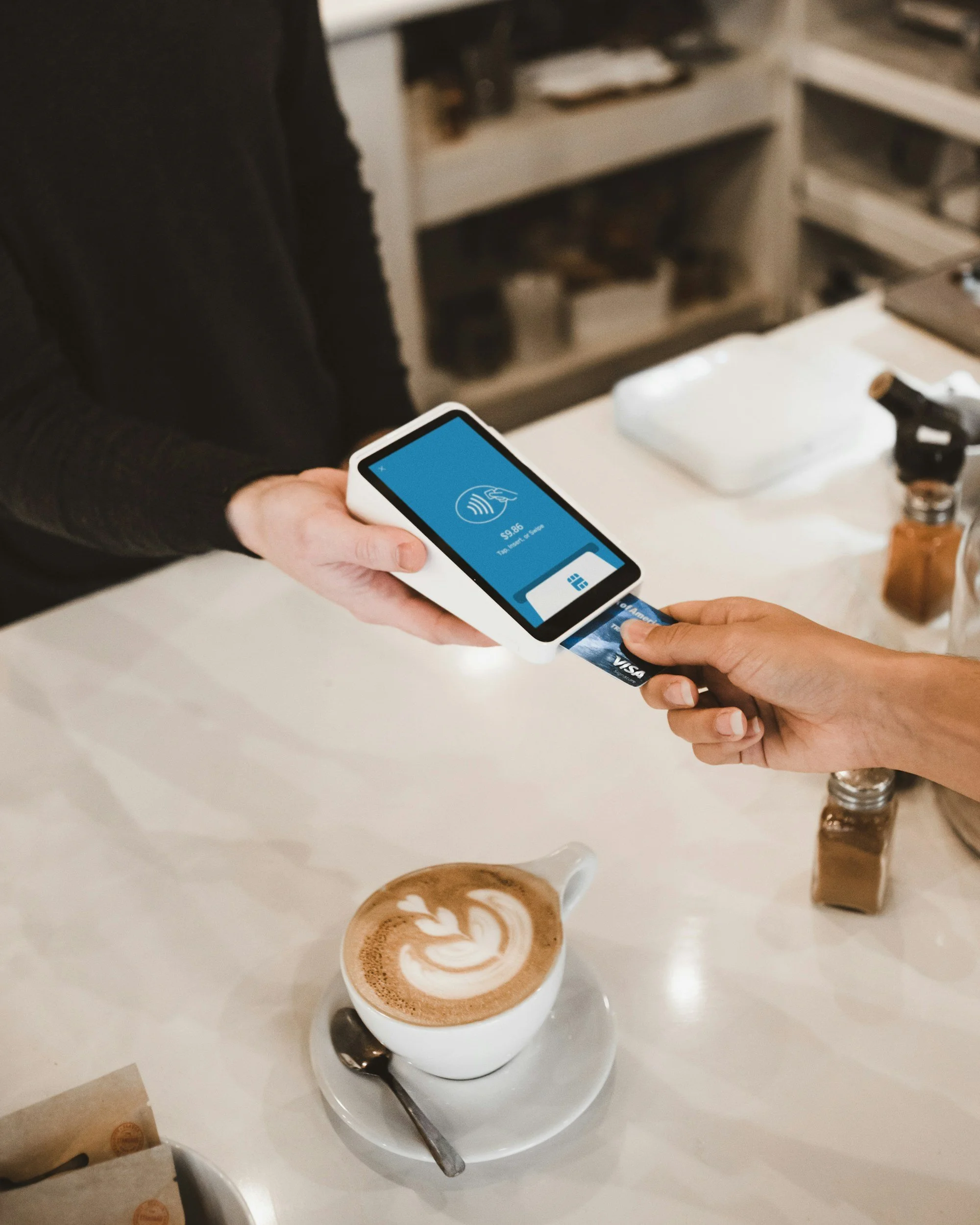
Buy now, pay later services have turned installment loans into a routine checkout option. Instead of placing the full purchase on a credit card, a shopper may divide it into four payments over approximately six weeks, often without interest.
The appeal is easy to understand. The payments are predictable, approval may be quick, and the cost appears smaller when displayed as four installments. However, buy now, pay later, commonly called BNPL, is still credit. It creates a repayment obligation even when the plan does not charge interest.
Credit cards offer more flexibility and established consumer protections, but carrying a balance can become expensive. Choosing between the two requires looking beyond the amount due today.
How Buy Now, Pay Later Works
A common BNPL plan divides a purchase into four equal payments. The first is usually due at checkout, with the remaining payments collected automatically every two weeks.
For a $200 purchase, that could mean four payments of $50. Many pay-in-four plans charge no interest when every payment is made on time.
Providers may also offer longer installment loans for larger purchases. These are different from basic pay-in-four plans and may charge interest. The annual percentage rate, credit check, repayment period, and credit-reporting policy can vary substantially.
How Credit Cards Work
A credit card provides a reusable line of credit. Purchases made during a billing cycle appear on one monthly statement.
Cardholders can generally avoid interest on purchases by paying the statement balance in full by the due date, assuming the card provides a grace period and the account qualifies for it. Paying less than the full balance usually means interest will accrue.
Credit cards may also charge annual, late-payment, balance-transfer, or cash-advance fees. The interest rate and fees are disclosed in the card agreement.
The Main Differences Between BNPL and Credit Cards
Repayment Schedule
A pay-in-four plan normally has four fixed payments tied to one purchase. A credit card combines multiple purchases into a monthly balance and allows the cardholder to pay the full balance or at least the required minimum.
Interest and Fees
Many pay-in-four plans do not charge interest, although late fees and other charges may apply. Credit cards generally charge interest when a balance is carried beyond the applicable grace period.
Longer-term BNPL financing may also charge interest, so shoppers should not assume that every BNPL product is free.
Credit Checks and Reporting
BNPL providers often approve pay-in-four loans without a hard credit inquiry. Most of these short-term plans have not traditionally reported regular payments to the major credit bureaus.
Credit card applications usually involve a hard credit inquiry. Credit card issuers generally report balances and payment activity, which means responsible use may help build credit while late payments may damage it.
Account Structure
Each BNPL purchase is generally a separate loan with its own payment schedule. A credit card is a reusable account with one credit limit, monthly statement, and payment due date.
Rewards
Some credit cards offer cash back, points, or travel rewards. BNPL services generally provide fewer rewards, although promotions vary.
Disputes and Returns
Credit cards have long-established federal protections for qualifying billing errors and unauthorized charges. BNPL refund and dispute procedures may depend on the provider, applicable law, and current regulatory requirements.
These are general distinctions. Consumers should review the actual agreement because BNPL products and credit cards do not all work the same way.
Why Shoppers Are Choosing BNPL
The Cost Feels More Manageable
Breaking $200 into four $50 payments can make a purchase feel easier to fit into a budget. The total price has not changed, but the smaller amount shown at checkout can affect how affordable it appears.
This can be useful when the installments fit comfortably within upcoming income. It can also encourage a shopper to spend more than originally intended.
Many Pay-in-Four Plans Charge No Interest
Someone who would otherwise carry a credit card balance may save interest by using a genuinely interest-free BNPL plan and making every payment on time.
The comparison changes when the BNPL product is a longer-term loan with interest. Shoppers should compare the annual percentage rate and total repayment amount instead of relying on the BNPL label.
Approval Can Be Faster or Easier
Many pay-in-four providers do not use the hard credit inquiry commonly associated with a new credit card application. This makes the service accessible to some shoppers who have limited credit histories or do not want another credit card.
Easier approval does not mean the loan is affordable. It may simply mean the provider evaluates the transaction differently.
BNPL Is Built Into Checkout
Retailers display installment amounts directly beside the purchase price. This removes much of the effort involved in applying for traditional financing and makes borrowing feel like a payment setting rather than a separate financial decision.
That convenience is a major reason BNPL fits modern online shopping. It is also why consumers can accumulate several small loans without noticing the size of their combined obligations.
Where Credit Cards Still Have Advantages
One Account Is Easier to Monitor
A credit card combines purchases into one balance, one statement, and one due date. BNPL purchases may create separate repayment schedules across multiple providers.
The Consumer Financial Protection Bureau reported that more than three-fifths of BNPL borrowers in its 2022 study had multiple simultaneous BNPL loans at some point during the year. One-third used more than one provider. Several individually affordable payments can become difficult to manage when they overlap.
Credit Cards Can Build Credit History
Credit card issuers generally report account activity to the nationwide credit reporting companies. On-time payments and responsible balance management can contribute to a positive credit history, while missed payments and high balances may cause harm.
Most pay-in-four providers have not traditionally reported routine payment history to the major credit bureaus. Successful repayment therefore may not help a conventional credit score. An unpaid debt sent to collections could still appear on a credit report.
Longer-term BNPL loans may follow different reporting and credit-check practices.
Consumer Protections Are More Established
Federal law gives credit card users defined rights for disputing certain billing errors. Credit cards also limit liability for unauthorized use under qualifying circumstances.
BNPL protections have been less consistent. The CFPB issued an interpretive rule in 2024 concerning BNPL dispute and refund rights but withdrew that guidance in May 2025. Consumers should not assume that every provider’s return, refund, or dispute process works exactly like a credit card issuer’s process.
Review the provider’s current terms and keep records of orders, returns, communications, and payments.
Rewards May Offset Some Costs
Some credit cards provide cash back or travel rewards. Those benefits can be useful when the balance is paid in full and the shopper does not overspend to earn them.
Rewards rarely compensate for high interest charges. A cardholder who carries a balance should focus on the interest rate and repayment plan before considering points.
The Risks of Interest-Free Installments
“No interest” does not mean “no consequences.”
A provider may charge late fees, restrict future use, or send unpaid debt to a collector. Automatic payments drawn from a bank account can also trigger overdraft or nonsufficient-funds fees if the balance is too low.
Returns can create another problem. A retailer may accept an item before the BNPL provider processes the refund. Payments could continue during that delay unless the provider pauses them.
The largest risk is often not one purchase but the accumulation of several plans. A shopper may owe $25 for clothing, $60 for electronics, and $40 for household items during the same week, followed by another set of payments two weeks later.
How to Compare the Options
Before choosing either method, ask:
What is the total purchase price?
Is interest charged, and what is the annual percentage rate?
Are there late, account, or processing fees?
What are the exact payment dates?
Will payments be automatically withdrawn?
What happens after a missed payment?
Does the lender perform a hard credit check?
Will account activity be reported to credit bureaus?
How are returns and billing disputes handled?
Could the full purchase be paid for without borrowing?
For BNPL, add every scheduled installment from every provider to a calendar or budget. For a credit card, calculate whether the statement balance can be paid in full. If not, review the interest rate and expected payoff time.
Which Option Makes More Sense?
An interest-free BNPL plan may be reasonable for a planned purchase when every installment already fits within the budget. A credit card may be preferable for purchases where dispute protections, rewards, consolidated tracking, or credit building matter—especially when the statement will be paid in full.
Neither option makes an unaffordable purchase affordable. BNPL changes the timing of payments, while a credit card can extend repayment at the cost of interest.
The change in shopping behavior is ultimately about convenience and presentation. Consumers increasingly want fixed, visible payments at checkout instead of an open-ended revolving balance. The safest choice is the one evaluated as debt before the purchase is completed, not merely as another button on the payment screen.
This article provides general consumer information and is not individualized financial advice. Product terms and applicable protections can change, so review the current agreement before borrowing.
