
Why More Shoppers Are Choosing Refurbished Electronics Instead of Buying New
Refurbished electronics have moved beyond a small market for bargain hunters. Phones, laptops, tablets, headphones, gaming systems, and appliances are now sold through manufacturers, mobile carriers, specialist refurbishers, and major retailers.
Price remains the strongest attraction. A 2025 Associated Press consumer guide, citing industry analysis from CCS Insight, reported that refurbished phones can cost approximately 15% to 50% less than comparable new models.
The market is also becoming easier to trust. Warranties, return periods, condition grades, financing, and professional testing have reduced some of the uncertainty that once discouraged buyers.
New Electronics Cost More Without Always Offering More
Premium electronics have become expensive, while improvements between product generations can be modest. A recent high-end phone or business laptop may still provide the speed, display quality, and software features an everyday user needs.
Buying refurbished allows a shopper to move up to a better model without paying its original launch price. The same budget might purchase an older premium device instead of a new entry-level product with weaker components.
This is particularly attractive for equipment used for school, remote work, travel, or a child’s first device. The buyer receives functional technology while limiting the cost of loss, damage, or rapid replacement.
Devices Remain Useful for Longer
Many electronics do not stop working when their first owner replaces them. Trade-in programs and professional refurbishment move those products back into use.
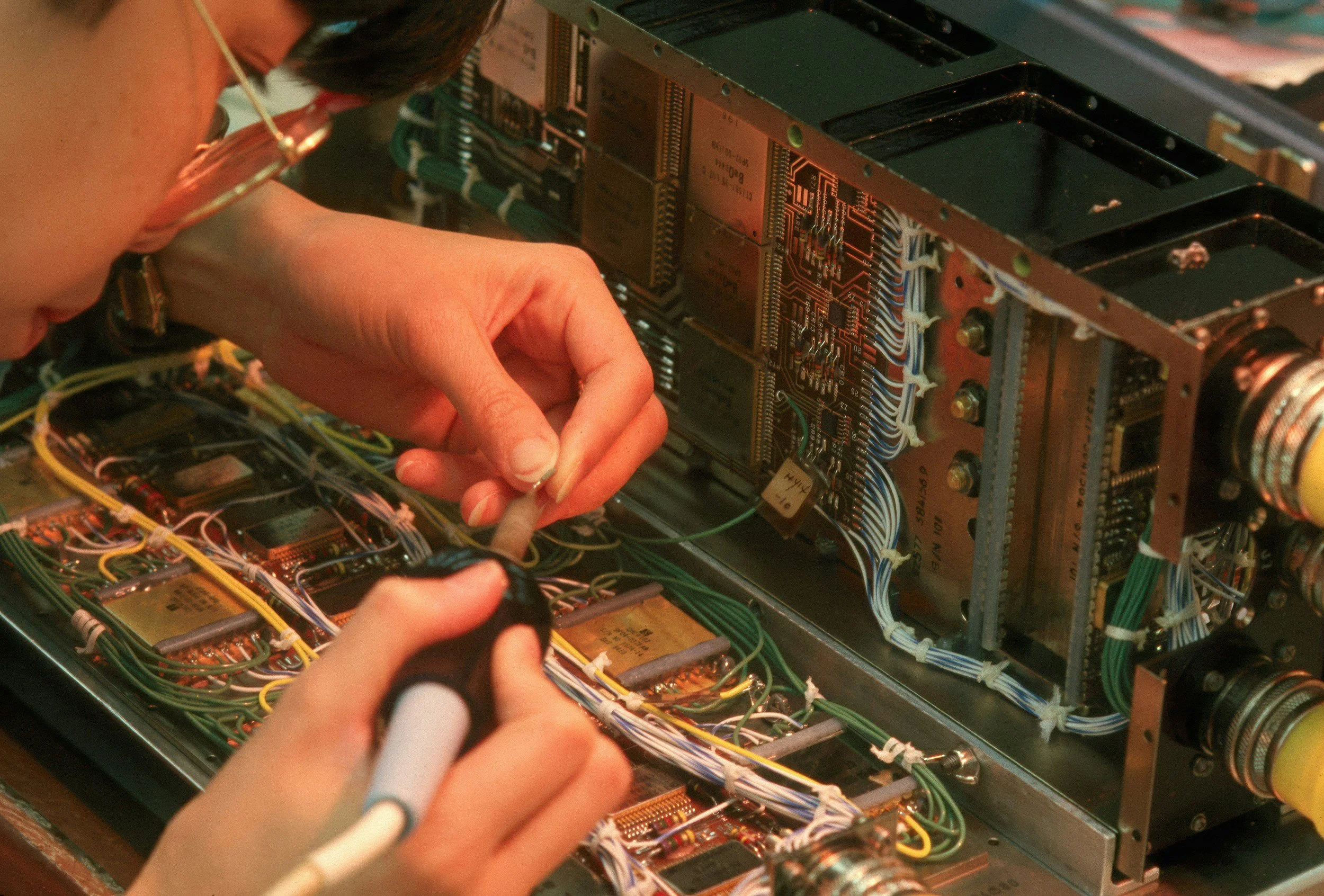
A proper refurbishment process may include data removal, diagnostic testing, cleaning, repairs, battery assessment, and confirmation that major functions work. The exact process varies by seller, however, and the word “refurbished” does not guarantee one universal standard.
Longer software-support periods also make some recent devices practical beyond their first ownership cycle. Before buying, shoppers still need to confirm that the model receives current security updates and supports the applications they expect to use.
Warranties Are Reducing the Perceived Risk
The difference between a casual used sale and a professionally refurbished product is often the protection surrounding the purchase.
A reputable seller may provide:
A written warranty
A defined return period
Functional testing
A clear condition grade
Customer support
Battery-health requirements
A process for defective products
These protections make the purchase feel closer to ordinary retail. They also give shoppers a remedy if the condition does not match the description.
The Federal Trade Commission recommends checking the seller, marketplace protections, return policy, and warranty before buying online. Terms such as refurbished, used, open-box, and “as is” can describe different conditions and should not be treated as interchangeable.
Environmental Concerns Support the Shift
Extending the life of electronics can reduce demand for new manufacturing and delay a device’s entry into the waste stream.
Electronics require metals, plastics, energy, transportation, and industrial processing. The U.S. Environmental Protection Agency identifies reuse, refurbishment, longer product life, and responsible recycling as important parts of sustainable electronics management.
Environmental motivation is not always the buyer’s main reason, but it can strengthen a decision already supported by price. A refurbished device offers a visible way to reduce consumption without giving up the underlying product.
This benefit depends on the equipment remaining in useful service. A poorly supported or unreliable device that must be replaced quickly provides less value.
The Supply Has Become More Organized
Trade-in programs provide refurbishers with a steady flow of recent equipment. Manufacturers and carriers can inspect those devices, replace selected components, and resell them through established channels.
The mobile industry also sees refurbishment as a growing business opportunity. A 2025 GSMA report found that refurbishment and electronic-waste management were among the most common circular business models used by the surveyed mobile operators.
Greater participation by recognized companies gives consumers more choices than informal person-to-person sales. It also encourages clearer grading and after-sales service, although standards still vary.
Buyers Still Need to Check the Details
Refurbished does not mean identical to new. Cosmetic wear, battery condition, replacement parts, included accessories, and remaining software support can differ.
Before buying, confirm:
The exact model, storage capacity, and year
Whether the device is unlocked and free of account or activation locks
Battery health or the seller’s minimum battery standard
The meaning of each cosmetic grade
Warranty length and who provides it
Return period and return-shipping cost
Whether accessories are original, compatible, or third-party
The remaining operating-system and security support
Whether repairs affect water-resistance claims
The seller’s testing and data-erasure process
For a computer, check memory, storage type, processor generation, ports, charger, and operating-system eligibility. For a phone, verify carrier compatibility, device identifiers where appropriate, camera and biometric functions, charging, and screen condition.
A very low price may reflect an old model with limited support rather than an unusually good deal.
Refurbished Is Becoming a Normal Buying Option
Consumers are not rejecting new electronics entirely. New products still make sense when someone needs the latest feature, maximum battery life, a full manufacturer warranty, or the longest possible support period.
The change is that buying new is no longer the automatic choice. Shoppers are increasingly comparing new and refurbished versions on price, condition, warranty, and expected years of use.
A well-supported refurbished product from a reliable seller can provide most of the practical value of a new device at a lower cost. As the market becomes more organized, refurbished electronics are becoming less of a compromise and more of a standard purchasing category.
