
Why a Little More Daily Movement May Matter More Than a Perfect Workout Plan
It is easy to think of exercise as something that happens during a designated workout. You go to the gym, run a few miles, finish a class, and then return to the rest of your day.
For health, though, the movement that happens outside of formal exercise matters too.
A growing amount of public health guidance emphasizes simply moving more and sitting less. The CDC notes that adults who sit less and perform any amount of moderate or vigorous physical activity can gain health benefits.
That makes everyday movement worth paying attention to.
The 150 Minute Goal Is Not All or Nothing
Current recommendations call for adults to accumulate at least 150 minutes of moderate intensity aerobic activity each week, along with muscle strengthening activities on at least two days.
That number can sound intimidating when you picture five structured 30 minute workouts.
It does not have to happen that way.
Walking the dog, taking a brisk walk during lunch, carrying groceries, biking with your kids, doing yard work, or walking while taking a phone call can all contribute to a more active day.
According to the CDC, even smaller amounts of physical activity provide benefits.
Ten Extra Minutes Can Add Up
One particularly useful CDC estimate suggests that approximately 110,000 deaths per year among U.S. adults age 40 and older could potentially be prevented if people increased moderate to vigorous physical activity, with even an additional 10 minutes per day potentially making a difference.
That does not mean a 10 minute walk is a magic prescription. It does show why small increases in activity across a large population can matter.
For someone who is mostly sedentary, adding several short movement periods throughout the day may also be more realistic than suddenly committing to an elaborate training program.
Look Beyond Your Workout
Someone can exercise for 45 minutes in the morning and still spend most of the remaining day sitting.
This is common for people who work at computers or spend significant time commuting.
A simple strategy is to build movement into activities that already happen.
Walk while making a phone call. Park slightly farther from the entrance. Take the stairs when practical. Carry groceries instead of using a cart for every bag. Walk for five or 10 minutes after lunch. Do a few household tasks instead of waiting to tackle everything on the weekend.
None of these activities feels impressive on its own. Together, they can substantially change how much you move during a week.
Walking Is Especially Accessible
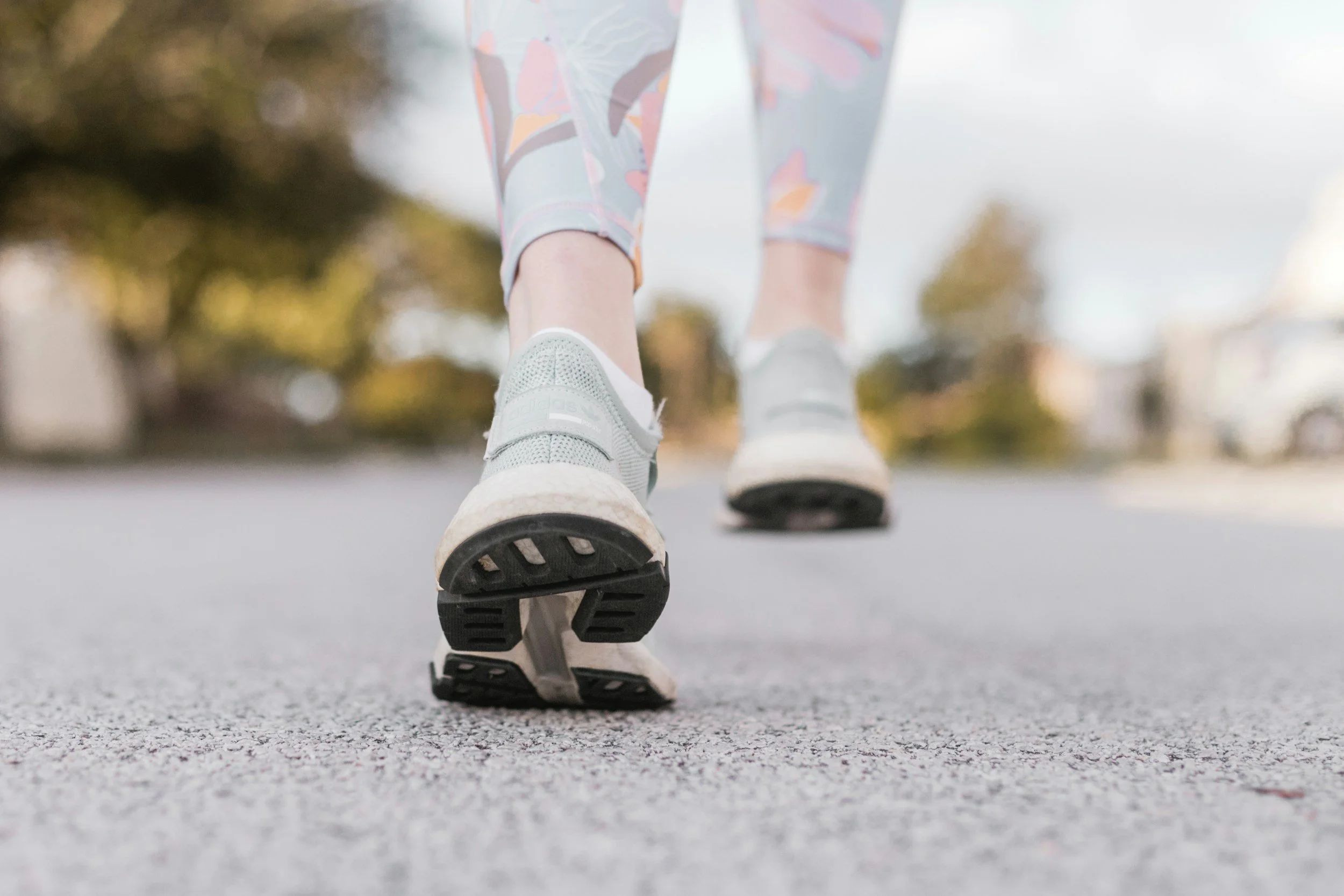
Walking requires almost no equipment, can be adjusted to nearly any fitness level, and can often be incorporated into an existing routine.
The CDC reports that physical activity is associated with benefits that include improved sleep, reduced anxiety, lower blood pressure, better cardiovascular health, stronger bones and muscles, and a lower risk of several chronic diseases.
Walking also makes it easier to involve other people. A family walk after dinner or walking meeting at work can create movement without requiring additional time specifically reserved for exercise.
Start With the Part of Your Day You Can Control
You do not need to optimize every aspect of your fitness routine.
Look at a normal weekday and identify one or two places where movement would be easy to add.
Ten minutes before work, a short walk after lunch, and another after dinner could add 30 minutes of activity without requiring a trip to the gym.
Over seven days, those small blocks can become a meaningful amount of movement.
Structured workouts are still valuable, particularly for cardiovascular fitness, strength, and maintaining muscle as you age. Daily movement simply gives you another opportunity to support your health between workouts.
For many people, the most sustainable fitness improvement may be finding ways to make an ordinary day a little less sedentary.
