
How Does Caffeine Timing Affect Sleep Quality and Next-Day Energy?
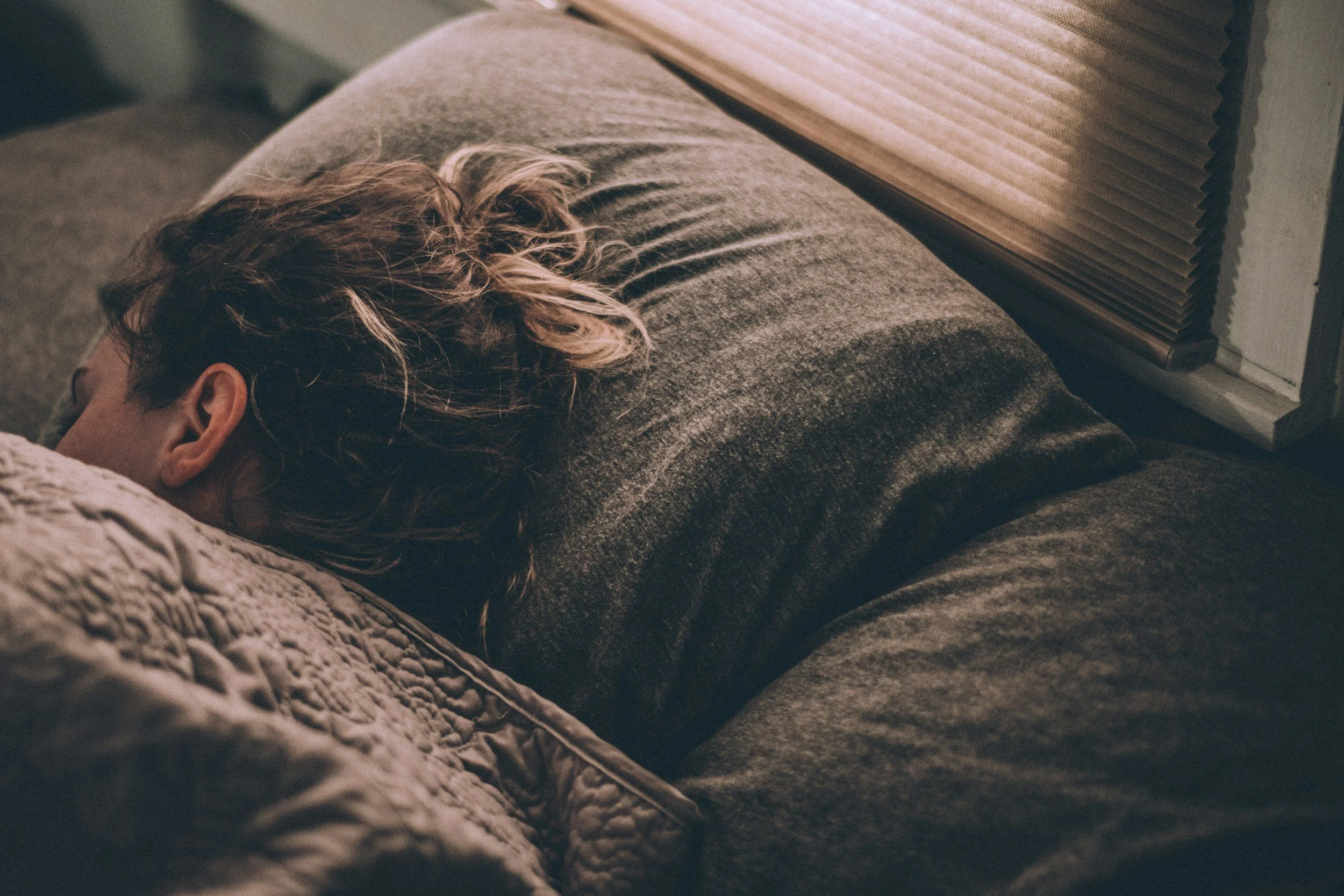
Caffeine can improve alertness for several hours, but a dose taken too late may reduce sleep length or quality even when falling asleep does not feel difficult.
For many adults, stopping caffeine at least six to eight hours before bedtime is a reasonable starting point. People who are especially sensitive, consume large doses, or metabolize caffeine slowly may need an earlier cutoff.
The amount matters as much as the clock. A small tea in the afternoon is not equivalent to a large coffee or energy drink containing several times as much caffeine.
Caffeine Remains in the Body for Hours
Caffeine blocks adenosine, a chemical involved in the buildup of sleep pressure during the day. This can reduce feelings of tiredness without removing the body’s underlying need for sleep.
The average caffeine half-life in adults is approximately five hours. If someone consumes 200 milligrams at 3 p.m., about 100 milligrams may remain around 8 p.m. and approximately 50 milligrams around 1 a.m. This is only an illustration because metabolism varies considerably.
Pregnancy, liver conditions, medications, genetics, nicotine use, and other factors can change how long caffeine remains active.
Late Caffeine Can Reduce Sleep Without Being Obvious
Some people can drink coffee in the evening and still fall asleep. That does not necessarily mean their sleep is unaffected.
A controlled study found that 400 milligrams of caffeine disrupted objective sleep measures when taken at bedtime, three hours before bed, or six hours before bed. Participants did not always recognize the full amount of disruption themselves.
A more recent randomized crossover trial found that dose changed the result. A 100-milligram dose did not significantly affect sleep when taken four hours before bedtime in the study group, while 400 milligrams disrupted sleep even when taken 12 hours before bed. The effects increased as the high dose moved closer to bedtime.
These studies involved limited groups of participants and should not be used to calculate a perfect cutoff for every person. They demonstrate why both timing and quantity need to be considered.
Poorer Sleep Can Create a Caffeine Cycle
Late caffeine may make someone feel more productive in the evening while reducing the restorative sleep needed for the following day.
The next morning, that person may use more caffeine to compensate for fatigue. If the additional dose extends into the afternoon, it can interfere with the next night’s sleep and repeat the pattern.
Caffeine can temporarily improve alertness after insufficient sleep, but it does not replace the lost sleep. Increasing the dose may also produce nervousness, headaches, stomach discomfort, palpitations, or difficulty concentrating in sensitive individuals.
The U.S. Food and Drug Administration cites 400 milligrams per day as an amount not generally associated with negative effects for most healthy adults. This is a general upper reference, not a recommended daily target or a guarantee that sleep will be unaffected.
Set the Cutoff From Bedtime
Instead of using a universal rule such as “no coffee after 2 p.m.,” calculate the cutoff from the intended bedtime.
For a 10 p.m. bedtime:
A six-hour cutoff would be 4 p.m.
An eight-hour cutoff would be 2 p.m.
A ten-hour cutoff would be noon
Begin with an eight-hour gap. Move the cutoff earlier if sleep remains light, bedtime becomes delayed, or waking feels unusually difficult.
Someone consuming a high total dose should reduce both the quantity and the lateness rather than relying only on the cutoff time.
Count Every Source
Coffee is not the only relevant source. Caffeine may appear in:
Tea
Energy drinks
Cola
Chocolate
Pre-workout supplements
Energy gels
Some pain relievers
Certain cold or alertness products
Serving size and preparation method can make caffeine content vary widely. A café drink may contain multiple espresso shots, and a large energy drink may represent more than one labeled serving.
Read labels and include repeat servings when estimating daily intake.
Test Your Personal Response
For one or two weeks, record the time and approximate amount of caffeine consumed. Also note bedtime, estimated time to fall asleep, nighttime waking, morning alertness, and afternoon energy.
Then move the final dose two hours earlier while keeping the morning routine reasonably consistent. If sleep and next-day energy improve, retain the earlier cutoff.
Reduce intake gradually if daily use is high. Abrupt withdrawal can cause headache, fatigue, irritability, and difficulty concentrating, which may make it harder to judge whether the change is helping.
Use Caffeine Strategically
Place most caffeine earlier in the day and use the smallest amount that produces the desired effect. Avoid consuming it automatically when water, food, daylight, movement, or a short break may address the problem.
Persistent daytime sleepiness should not simply be covered with increasing caffeine. It can result from insufficient sleep, medication effects, sleep apnea, anemia, mood disorders, or other conditions that may require evaluation.
A practical routine is to begin with a six- to eight-hour caffeine-free period before bed, adjust for personal sensitivity, and pay attention to both sleep and next-day function. Better timing often preserves caffeine’s daytime benefit without allowing it to interfere with the recovery it is meant to support.
