
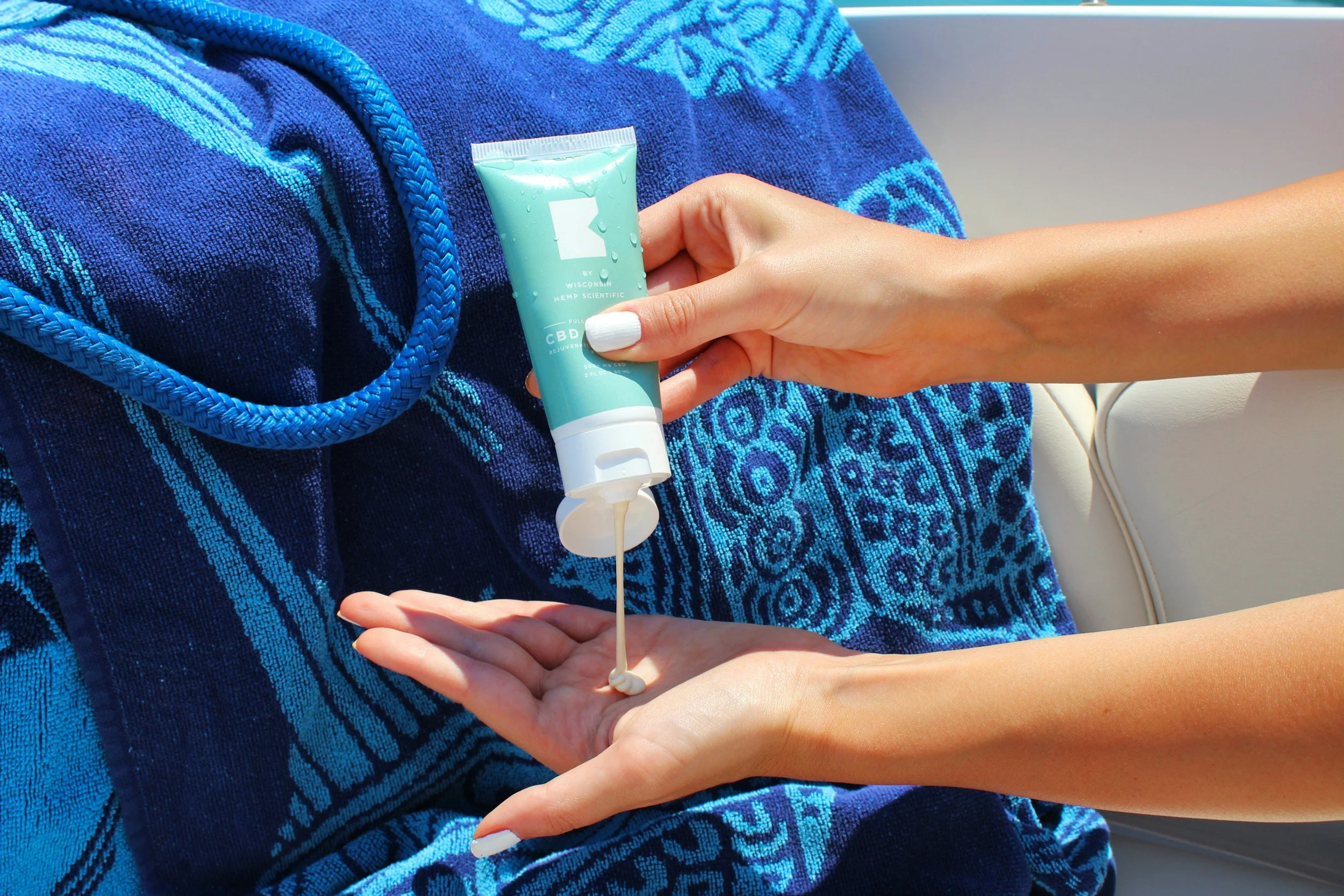
The most useful everyday sunscreen is one that provides appropriate protection and feels comfortable enough to apply consistently. Price, texture, skin sensitivity, makeup, and daily activities can all affect which product works best for you.
Instead of focusing on marketing terms, start with three features on the label: broad-spectrum protection, an appropriate SPF, and water resistance when needed.
Choose SPF 30 or Higher
SPF stands for sun protection factor. It indicates a sunscreen’s level of protection against sunburn, which is caused mainly by UVB radiation.
The American Academy of Dermatology recommends choosing an SPF of 30 or higher. Higher-SPF products provide somewhat more UVB protection, but no sunscreen blocks all ultraviolet radiation.
SPF is not a measure of how many hours you can remain outdoors. SPF 30 does not mean you can safely stay in the sun 30 times longer without reapplying. The amount used, time of day, skin tone, sweating, swimming, and rubbing from clothing can all affect protection.
A higher SPF can be useful for people who burn easily or tend to apply too little, but it does not replace regular reapplication or other sun-protection measures.
Look for “Broad Spectrum” on the Label
SPF primarily describes protection against UVB rays. An everyday sunscreen should also help protect against UVA radiation, which contributes to premature skin aging and can damage skin even without causing an obvious sunburn.
In the United States, sunscreens that pass FDA testing for both UVA and UVB protection can use the words “broad spectrum” on the label.
The FDA’s sunscreen guidance recommends using a broad-spectrum sunscreen regularly and combining it with other protective measures. The American Academy of Dermatology recommends broad-spectrum, water-resistant sunscreen with SPF 30 or higher.
Do not assume that a high SPF automatically provides balanced UVA protection. Check specifically for the broad-spectrum statement.
Decide Whether You Need Water Resistance
Water-resistant sunscreen is useful for exercise, outdoor work, swimming, humid weather, or any activity that causes sweating.
No sunscreen is waterproof or sweatproof. In the United States, water-resistant products are labeled as effective during swimming or sweating for either 40 or 80 minutes. Reapply at the end of that period, after toweling off, or sooner if the product has visibly rubbed away.
For an ordinary indoor workday, water resistance may be less important than finding a comfortable formula you will wear. If your routine includes a lunchtime walk or outdoor commute, a water-resistant option may be more practical.
Choose a Formula That Fits Your Skin and Routine
Sunscreen is available as lotion, cream, gel, stick, and spray. The protection depends on choosing a suitable product and applying enough of it evenly.
For Dry or Sensitive Skin
A cream or moisturizing lotion may feel more comfortable on dry skin. Fragrance-free products can be helpful for people who find fragrances irritating.
Mineral sunscreens use zinc oxide, titanium dioxide, or both as active ingredients. They are often chosen for sensitive skin, although any product can potentially cause irritation. Test a small amount before applying a new sunscreen widely if your skin reacts easily.
For Oily or Acne-Prone Skin
Look for lightweight, oil-free, or noncomedogenic formulas. “Noncomedogenic” means the product is designed to be less likely to clog pores, but individual skin reactions still vary.
Gel or fluid products may feel lighter under makeup. If a sunscreen stings, causes persistent breakouts, or irritates an existing skin condition, ask a dermatologist about alternatives.
For Dark Spots or Uneven Pigmentation
Tinted sunscreen can reduce the visible white cast that some products leave behind. Certain tinted formulas contain iron oxides, which can also provide protection from visible light that may contribute to some pigmentation concerns.
Choose a tint that blends with your skin tone and still meets the basic requirements of broad-spectrum protection and SPF 30 or higher.
For Children
For babies younger than 6 months, the FDA advises consulting a healthcare professional before using sunscreen. Shade, protective clothing, and limiting direct sun exposure are generally the first protective measures for young infants.
For older children, choose an age-appropriate product and follow its directions. Formulas containing zinc oxide or titanium dioxide may be less irritating for some children.
Apply Enough Sunscreen
Applying too little reduces the protection you receive. The FDA states that an average-sized adult needs about one ounce—approximately enough to fill a shot glass—to cover the exposed skin of the whole body.
Apply sunscreen about 15 minutes before going outdoors. Cover all exposed areas, including places that are commonly missed:
Ears
Neck
Hairline and exposed scalp
Hands
Tops of the feet
Chest
Lips, using an appropriate SPF lip product
Apply sunscreen directly to bare skin rather than relying only on makeup that contains SPF. Cosmetic products may provide some protection, but people often do not apply them in the quantity used during sunscreen testing.
When using a stick, make several passes over each area and rub the product in for even coverage. With a spray, apply enough to cover the skin thoroughly and rub it in. Avoid inhaling spray sunscreen or spraying it directly onto the face.
Reapply Based on Your Exposure
The American Academy of Dermatology’s sunscreen instructions recommend reapplying every two hours while outdoors and immediately after swimming or sweating.
Reapply sooner when sunscreen is removed by:
Toweling off
Heavy sweating
Swimming
Rubbing from clothing or equipment
Washing your hands or face
If you spend most of the day indoors and away from windows, your reapplication needs may differ from those of someone working outside. Before leaving the office for a walk, driving for an extended period, or spending the afternoon outdoors, apply a fresh layer to exposed skin.
Keep a small sunscreen in a bag, desk, or entryway so reapplication is convenient. Do not leave it for long periods in a very hot car, since excessive heat may affect the product.
Check the Expiration Date and Condition
Replace sunscreen when it reaches its expiration date. If the product has changed color, separated unusually, developed an unexpected odor, or has been exposed to extreme heat, replacing it may be the safer choice.
Write the purchase date on the container if it does not have a clearly visible expiration date. Store sunscreen according to the label and keep the cap closed to protect the formula from contamination.
Use Sunscreen as One Part of Sun Protection
Sunscreen cannot provide complete protection by itself. When practical, combine it with:
Shade
A broad-brimmed hat
UV-protective sunglasses
Long sleeves and other protective clothing
Reduced direct exposure when sunlight is most intense
Clouds do not block all ultraviolet radiation, and exposure can occur during ordinary activities such as walking, driving, gardening, or attending outdoor events.
For everyday use, choose a broad-spectrum sunscreen with SPF 30 or higher and water resistance when your routine requires it. The finish and format matter because a sunscreen that stays unused in a cabinet cannot protect your skin.
This article provides general educational information and is not a substitute for individualized medical advice. Consult a qualified healthcare professional about persistent skin irritation, unusual skin changes, or personal sun-protection needs.
