
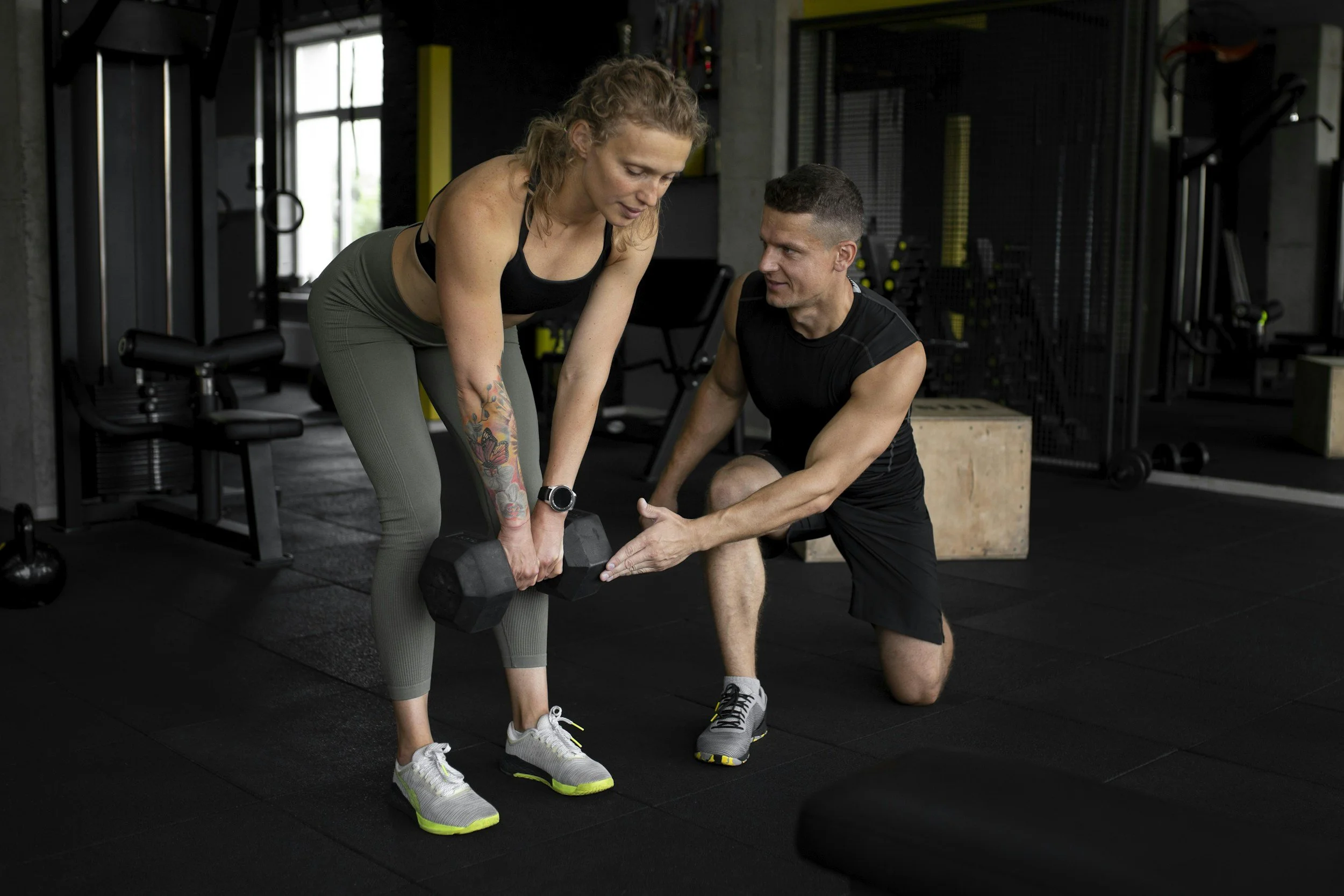
Strength training does not require a gym membership or a large collection of equipment. Bodyweight exercises, resistance bands, and a few household items can provide enough resistance for a useful beginner routine.
The goal at first is not to exercise as hard as possible. It is to learn controlled movements, train the major muscle groups, recover between sessions, and make gradual progress.
How Often Should Beginners Strength Train?
Current physical activity guidelines recommend that adults perform muscle-strengthening activities involving all major muscle groups on at least two days each week.
For a beginner, two full-body sessions on nonconsecutive days is a practical starting point. A schedule might look like:
Monday and Thursday
Tuesday and Friday
Wednesday and Saturday
Leaving at least one day between full-body workouts gives the muscles time to recover. Someone who has been inactive can begin with one weekly session and build toward two.
A basic workout may take 20 to 40 minutes, depending on the number of exercises, sets, and rest periods.
What Equipment Do You Need?
Many beginners can start with:
A stable chair
A clear section of floor
Comfortable clothing
Supportive shoes when needed
A resistance band
One or two light dumbbells
A backpack can sometimes be loaded with books to provide resistance. Water bottles or food cans may work for light exercises, but they can become awkward to grip. Whatever you use should be secure, balanced, and easy to control.
Avoid unstable furniture, damaged resistance bands, and improvised weights that may leak, break, or shift unexpectedly.
Warm Up Before Training
Spend five to ten minutes preparing the muscles and joints you will use. The warm-up should increase movement gradually without causing fatigue.
Try a combination of:
Easy marching in place
Shoulder circles
Controlled arm reaches
Sit-to-stand practice
Gentle hip hinges
Ankle movements
A few easy repetitions of the planned exercises
The first set of an exercise can also be performed with less resistance as additional practice.
Beginner Exercises for a Full-Body Routine
A balanced home program should include movements for the legs, hips, back, chest, shoulders, arms, and abdomen. Choose a version of each exercise that you can perform with control.
Chair Squat or Sit-to-Stand
Stand in front of a stable chair with your feet in a comfortable position. Push the hips back, bend the knees, and lower toward the chair. Lightly touch or sit, then press through the feet to stand.
Use a higher chair or place your hands on the thighs if the movement is initially difficult. Progress by using less assistance, lowering more slowly, or holding a weight close to the chest.
Glute Bridge
Lie on your back with your knees bent and feet on the floor. Tighten the abdomen gently, press through the feet, and raise the hips without forcing the lower back to arch. Lower with control.
If getting onto the floor is uncomfortable or unsafe, practice a standing hip hinge instead.
Wall or Counter Push-Up
Place your hands on a wall or secure counter slightly wider than shoulder width. Keep the body in a straight line, bend the elbows, and bring the chest toward the surface. Press away under control.
A wall is usually easier than a counter. A lower surface increases the difficulty. Floor push-ups can be introduced later if appropriate.
Resistance Band Row
Secure a resistance band according to its instructions or loop it around the feet while seated. Pull the handles or ends toward the body while drawing the shoulder blades back gently. Return slowly.
Check the band for cracks or damage before every session. Never attach it to furniture that could move or break.
Supported Split Squat or Step-Up
Hold a stable support and place one foot slightly ahead of the other. Bend both knees within a comfortable range, then return to standing.
A low step-up is another option when a secure step and hand support are available. Begin with a low height and avoid rushing the descent.
Overhead Press
Hold light weights near shoulder height and press them upward without leaning back. Lower them slowly.
People with shoulder pain or limited overhead movement can substitute a different comfortable upper-body exercise. Do not force a painful range of motion.
Bird Dog or Standing Core Brace
For a bird dog, begin on hands and knees. Extend one arm or one leg while keeping the torso steady. As control improves, extend the opposite arm and leg together.
A standing alternative is to tighten the abdominal muscles gently while maintaining normal breathing and slowly marching in place near a support.
Start With a Manageable Number of Repetitions
For many beginners, one set of 8 to 12 controlled repetitions per exercise is enough to start. Over time, two or three sets may provide additional benefit.
The final repetitions should feel challenging, but technique should remain steady. Stop the set if you must hold your breath, rush the movement, shorten the range unexpectedly, or change position to complete another repetition.
Rest for roughly one to two minutes between sets or longer if needed. Recovery time can vary with the exercise and resistance used.
Use Effort Rather Than Speed
Perform each repetition slowly enough to remain in control. Avoid dropping quickly into a squat, bouncing a weight, or allowing a resistance band to snap back.
Normal muscle effort and mild fatigue are expected. Sharp pain, sudden joint pain, numbness, dizziness, or loss of control are signals to stop.
Delayed muscle soreness can occur after a new workout, particularly during the first few weeks. Severe pain, major swelling, dark urine, or weakness that interferes with normal activity requires medical attention.
How to Progress Safely
Progress when you can complete every planned repetition with steady technique and the exercise no longer feels meaningfully challenging.
Change one factor at a time:
Add one or two repetitions.
Add a second set.
Use a slightly stronger resistance band.
Increase the weight by a small amount.
Choose a more difficult exercise variation.
Slow the lowering portion of the movement.
Increase the comfortable range of motion.
Do not increase the weight, sets, repetitions, and training frequency all at once. Small changes make it easier to determine how the body responds.
A useful approach is to work within a repetition range. If the goal is 8 to 12 repetitions, begin with a resistance you can control for eight. When you can perform 12 with good technique during every set, increase the resistance slightly and return to the lower end of the range.
A Simple Two-Day Beginner Plan
Complete this routine twice a week on nonconsecutive days:
Chair squat: 8 to 12 repetitions
Wall or counter push-up: 8 to 12 repetitions
Resistance band row: 8 to 12 repetitions
Glute bridge or standing hip hinge: 8 to 12 repetitions
Supported split squat or step-up: 6 to 10 repetitions per side
Bird dog or standing core brace: 6 to 10 controlled repetitions per side
Begin with one set of each exercise. Add a second set only when recovery is comfortable and technique remains consistent.
This is a general example, not a required formula. Exercises can be changed to match mobility, equipment, and comfort.
Track More Than Body Weight
Strength progress may appear in several ways:
Completing more controlled repetitions
Using greater resistance
Needing less assistance
Improving balance and coordination
Moving through a comfortable range more easily
Recovering more quickly between sets
Finding everyday tasks easier
Record the date, exercise, resistance, repetitions, sets, and any discomfort. A short log makes gradual improvements easier to see.
When to Seek Professional Guidance
Most healthy adults can begin with light or moderate activity and progress gradually. Speak with a healthcare professional before beginning or substantially changing an exercise program if you have a chronic medical condition, significant joint problems, a recent injury or operation, unexplained symptoms, or concerns about balance.
A qualified exercise professional or physical therapist can help adapt movements for disability, pain, pregnancy, or recovery from injury.
Stop exercising and seek urgent medical help for chest pain, fainting, severe shortness of breath, or other alarming symptoms.
Keep the Routine Simple
A beginner program does not need advanced exercises or daily workouts. Two consistent full-body sessions, a small selection of movements, and gradual increases in difficulty can create a strong foundation.
Prioritize controlled technique and repeatable habits. The best home strength program is one that fits your abilities, can progress over time, and is realistic enough to continue.
This article provides general educational information and is not individualized medical or exercise advice.
